
Tennessee Seasonal Plumbing
Winter Pipe Care: Simple Steps to Protect Your Jefferson City Home
Protect your plumbing this winter with straightforward prevention tips and emergency response steps.
September 8, 2026
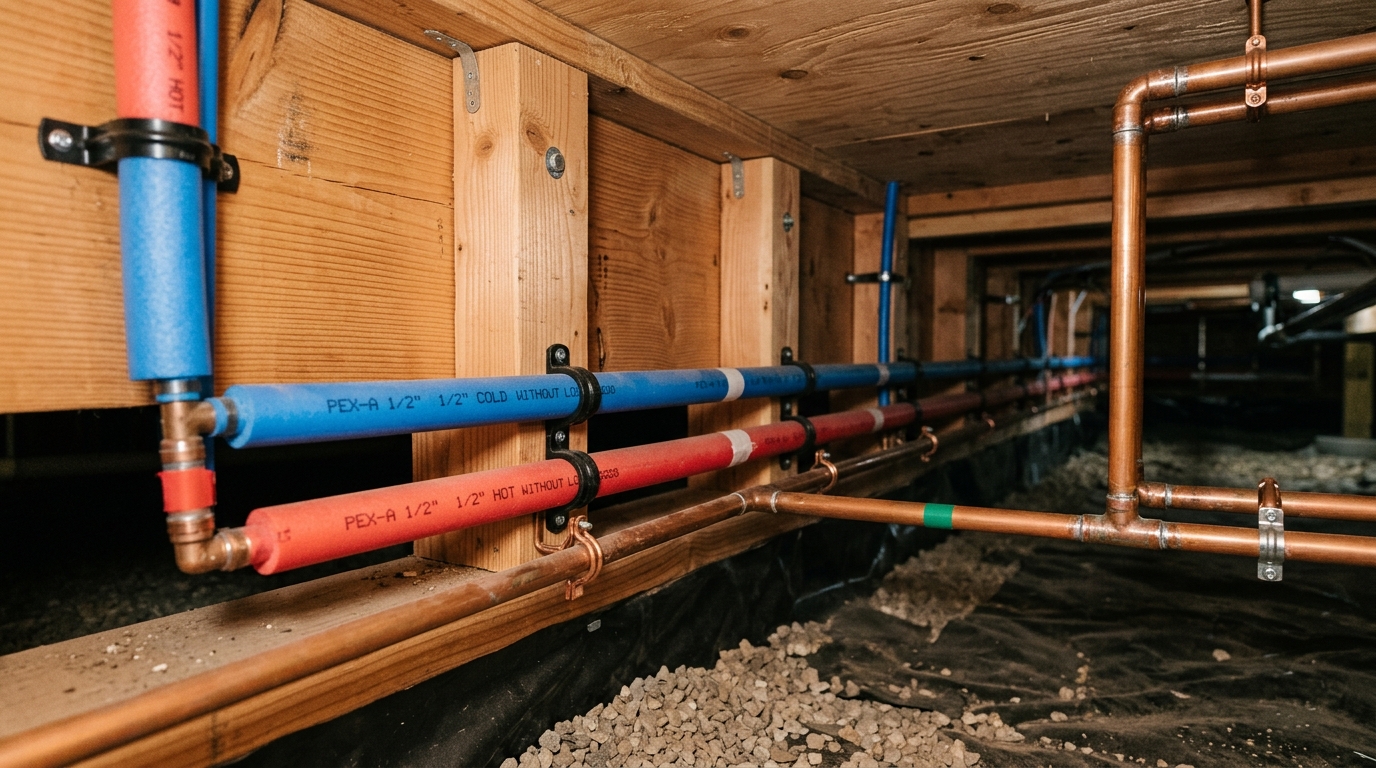
Why do my pipes freeze in the winter? Pipes freeze because the water sitting inside them gets too cold and turns to solid ice. When the outside temperature drops below freezing, chilly drafts reach water lines located in unheated areas of your house. As the water freezes, it expands inside the line, building up heavy pressure between the ice plug and closed faucets that can damage your plumbing.
How to Protect Your Plumbing Before Freezing Weather Hits
Preventing frozen lines is far easier than repairing broken plumbing. Take these practical actions around your property when sub-freezing weather is predicted in Jefferson City:
- Seal up foundation drafts: Inspect foundation vents, crawl space doors, and exterior access panels. Close vents and seal small gaps with insulation or weatherstripping to prevent freezing drafts from blowing directly onto plumbing.
- Drip both hot and cold lines: Open faucets slightly on lines that run along outer walls so that both hot and cold lines produce a steady, slow drip. Relieving hydraulic pressure inside the line protects the entire pipe run.
- Circulate indoor heat: Keep bedroom and bathroom doors open throughout the house so warm air reaches every corner. Open base cabinet doors beneath sinks against exterior walls.
- Protect outdoor bibbs: Disconnect all garden hoses and install insulated outdoor faucet covers over exterior spigots to shield them from biting winds.
- Add pipe insulation: Cover exposed lines in your garage, attic, and crawl space with tubular foam or fiberglass wrap to slow down heat loss.
What Steps to Take if Your Pipes Freeze
If you turn on your tap during cold weather and nothing comes out, act quickly and safely to address the blockage:
- Keep the faucet open: Leaving the tap open allows water to escape as the ice begins to melt, which lowers internal pressure on the pipe joints.
- Locate and test your main shut-off valve: Ensure you know how to turn off your home's main water supply in case the pipe develops a leak while thawing.
- Warm the pipe safely: Use safe heat sources such as a handheld hair dryer, an electric heating pad wrapped around the pipe, or towels warmed with hot water. Start near the open tap and work your way toward the frozen blockage.
- Avoid unsafe tools: Do not use propane torches, charcoal stoves, or high-intensity heat lamps. These methods can damage pipe materials and pose severe fire hazards.
Warning Signs of a Burst Water Line
When an ice blockage begins to thaw, cracks that were sealed by ice will start leaking water. Be alert to these key signs of a ruptured pipe:
- Physical pipe damage: Cracks, hair-line fractures, or bulges along copper or PEX tubing.
- Water stains on building surfaces: Discolored rings, damp drywall, or dripping from ceiling panels.
- Loss of household water pressure: A noticeable drop in pressure at multiple taps across the house.
- Noisy pipes: Sounds of trickling or rushing water behind walls when no faucets or appliances are running.
When to Call a Professional Immediately
Homeowner troubleshooting has clear limits when it comes to frozen plumbing lines. Put down your tools and call a licensed plumber right away if:
- The frozen pipe is in an inaccessible location, like inside an insulated exterior wall or beneath flooring.
- You spot any water dripping or spraying from a pipe as it begins to thaw.
- You have tried thawing the accessible pipe for a reasonable time with no restored water flow.
- The frozen section is on the main water service line entering the home.
Freezing weather can create sudden plumbing challenges, so be sure to store The Drain Man's contact details in your mobile phone today for dependable help whenever you need it.