
Drain Cleaning
Why Does Only One Sink in Your House Drain Slowly?
Learn why isolated drainage issues happen and how to safely clear a stubborn single-fixture clog.
September 21, 2026
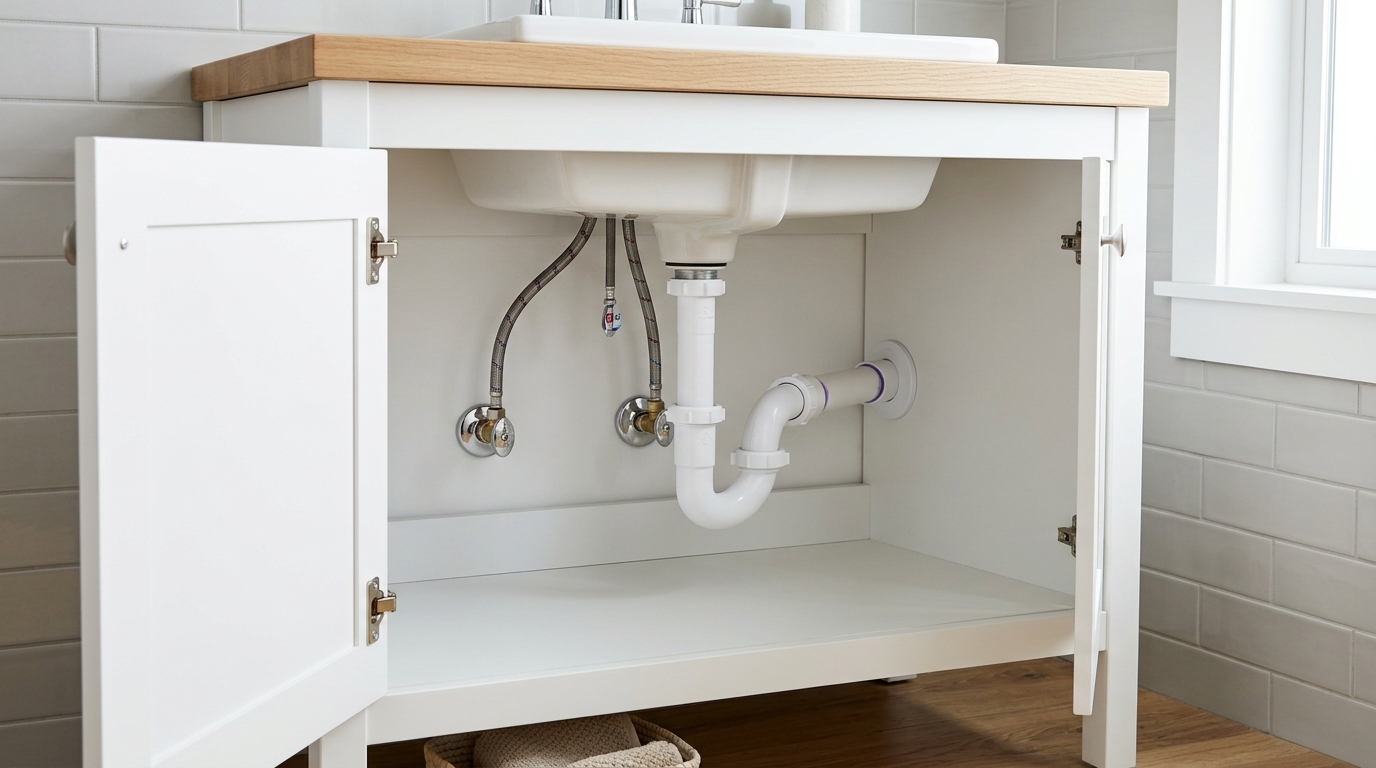
Why does only one sink in my house drain slowly while all the others work fine? When just one sink starts backing up while the rest of your home drains perfectly, the problem is almost always right under that specific basin. It means your main sewer line and shared pipes are flowing freely, but a small, localized blockage has formed in that sink's curved trap or the short branch pipe hidden inside the wall. Things like hair, soap residue, or food bits collect in that one spot over time, narrowing the pathway for water before it ever reaches the larger drainage system.
Understanding What Causes an Isolated Drain Problem
Plumbing systems are designed like a tree. Your main sewer line serves as the trunk, carrying wastewater out of the home, while smaller branch lines act as branches connecting each individual fixture. When you have a whole-house issue, multiple fixtures—such as toilets, tubs, and sinks across different rooms—will back up simultaneously. However, when only a single sink is sluggish, the issue is strictly isolated to that fixture's branch or its immediate components.
The exact cause often depends on the room where the sink is located:
- Bathroom Sinks: These drains frequently catch a mixture of shed hair, shave cream, viscous liquid soap, and toothpaste. Over weeks and months, these materials bind together inside the drain assembly or wrap around the mechanical pop-up stopper mechanism.
- Kitchen Sinks: Kitchen drains encounter cooking oils, grease, soap residue, and small food particles. Even when you are careful, grease can cling to the interior walls of the pipe, gradually catching debris until water takes several minutes to empty from the basin.
- Utility Sinks: Sinks in laundry rooms or workshops often trap lint, pet hair, sediment, or small fibers that settle in the lowest point of the pipe.
Safe DIY Troubleshooting Steps to Try First
Before assuming the worst, you can perform a few simple, non-destructive checks on the affected sink. Stick to safe methods that protect your pipes from chemical or physical damage.
1. Clear the Pop-Up Stopper
In bathroom sinks, the mechanical pop-up stopper is often the true culprit rather than the pipe itself. Hair and lint readily wrap around the stopper's pivot rod mechanism beneath the drain opening. Look beneath the sink to loosen the retaining nut holding the horizontal pivot rod, slide the rod out, and lift the stopper from the basin. Clean off any collected hair and debris, rinse the stopper thoroughly, and reinstall it to see if drainage improves.
2. Use a Small Cup Plunger
A standard flat-cup sink plunger can generate enough hydraulic pressure to dislodge minor clogs sitting in the immediate trap. If you are plunging a bathroom sink, be sure to cover the overflow hole near the top of the basin with a damp washcloth to seal the air passage. Fill the sink with an inch or two of water, place the cup firmly over the drain opening, and perform five to ten quick, rhythmic plunges before breaking the seal. If the clog is loose debris, the rush of water will carry it away.
3. Apply a Safe Enzyme Drain Cleaner
Avoid harsh chemical drain cleaners sold in hardware stores. Caustic lye- or acid-based cleaners can generate intense heat, potentially softening PVC pipes, corroding metal joints, or splashing back painfully. Instead, opt for a natural, enzyme-based drain maintainer. Enzyme solutions use beneficial bacteria to slowly break down organic matter like hair, soap scum, and food grease without damaging your plumbing lines.
4. Inspect the P-Trap Beneath the Sink
The curved pipe under your sink is known as the P-trap. Its primary job is to hold a small amount of standing water to block sewer gases from entering your home, but its shape also makes it a prime collecting point for heavy debris. Place a small bucket beneath the trap, unscrew the slip nuts on either side by hand or with slip-joint pliers, and remove the curved section. Look inside for blockages, clear any gunk into your bucket, rinse the trap, and reassemble the fittings carefully to avoid cross-threading.
When to Stop DIY and Call a Professional
If you have cleared the stopper, plunged the basin, and checked the P-trap without seeing any improvement, the blockage is located farther down the branch line inside your wall. Repeating the same DIY steps or forcing cheap plastic snakes down the drain can scratch pipe interiors, push clogs deeper, or cause hidden leaks behind your drywall.
A stubborn, recurring single-sink backup is the ideal time to schedule targeted professional drain cleaning. Professional equipment, such as professional-grade drain cables and specialized augers, thoroughly scours the entire diameter of the branch line without harming your pipes, restoring full, unrestricted flow.
Targeted Drain Cleaning with The Drain Man Plumbing
Clearing localized sink clogs safely and completely is exactly what our drain cleaning service is designed for. At The Drain Man Plumbing, we serve homeowners throughout Jefferson City, Tennessee, providing practical, reliable plumbing care that solves the root problem the first time around.
If you have a sink that refuses to drain, contact The Drain Man Plumbing today. Reach out to our Jefferson City office by phone or fill out our online contact form to schedule an appointment with our experienced plumbing team.