
Water Heater Solutions
Why It Takes So Long for Hot Water to Reach Your Upstairs Bathroom
Understand why your second-story faucets stay cold and explore practical ways to get warm water faster.
September 24, 2026
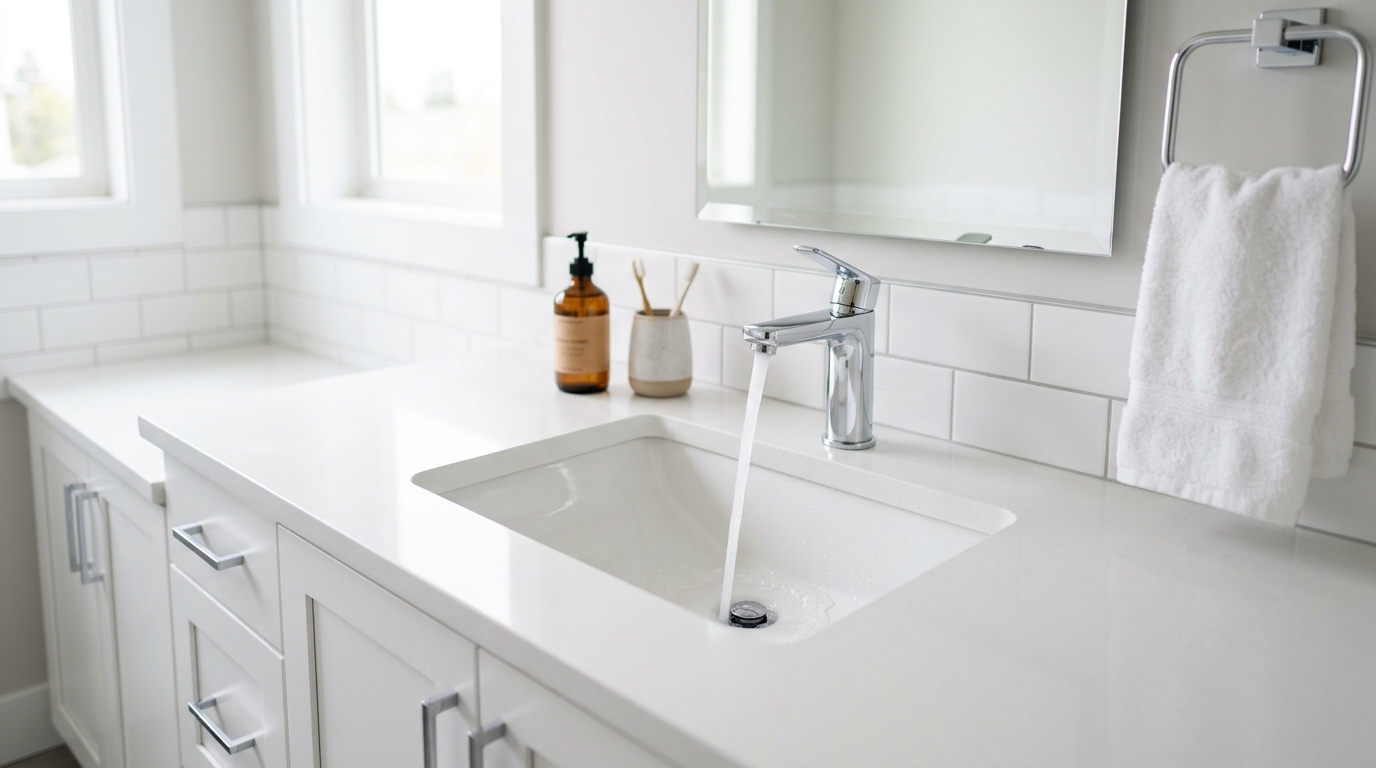
Why does it take so long for hot water to reach my upstairs bathroom? In most homes, the delay comes down to distance and heat loss. Your water heater is usually located downstairs in a garage, basement, or utility closet, which means the water has to travel through dozens of feet of piping before it reaches your shower head or sink. Along the way, any cold water already sitting in those pipes must be pushed out first. If those supply pipes are uninsulated, the water loses its warmth to the surrounding air inside your walls and subfloors before it ever reaches the second floor. In simple terms, long pipe runs and bare pipes are the two most common reasons you end up waiting for the water to warm up.
Standing by the sink waiting for hot water can feel like a waste of both time and water. While it is a common complaint among homeowners in two-story houses, understanding how your plumbing behaves is the first step toward finding a lasting solution.
What to Observe Before Calling for Help
Before jumping into major plumbing changes, it helps to gather a few simple observations about how your system performs day to day. Paying attention to these details can give a professional plumber a much clearer picture of what is happening inside your walls.
- Time the actual delay: Use the stopwatch on your phone to see exactly how long it takes for warm water to arrive at your upstairs fixture. A delay of 30 to 45 seconds is often normal for long pipe distances, but waits stretching into two or three minutes point to deeper system inefficiencies.
- Note whether this is a new problem or an old one: If your upstairs shower has always taken a minute to heat up, the layout of your home is likely the main factor. If the delay started suddenly or has gotten steadily worse over the past few months, it could signal an issue within the water heater itself, such as mineral buildup or a failing heating element.
- Compare different fixtures: Test your kitchen sink, a downstairs half-bath, and the upstairs shower. If every fixture in the home is slow to produce hot water, the source of the problem is likely at the water heater. If only the upstairs bathroom struggles, the issue is almost certainly related to the length and insulation of that specific pipe run.
Solutions Worth Discussing with a Professional
Once you know how your plumbing is behaving, there are several practical solutions you can explore with an experienced residential plumber. Depending on your home's layout, budget, and hot water demands, one or more of these options can make a noticeable difference.
1. Pipe Insulation
Adding thermal foam insulation around exposed hot water pipes is one of the most straightforward ways to reduce heat loss. When hot water travels through bare copper or PEX tubing in unconditioned spaces—like crawlspaces, attics, or exterior wall cavities—the heat quickly radiates away. Insulating those lines keeps the water hotter while it travels and helps the pipes retain heat between uses, shortening the wait when someone turns the faucet back on a short time later.
2. A Hot Water Recirculating Pump
A recirculating pump creates a continuous or on-demand loop between your water heater and the furthest fixture in the home. Instead of letting unused hot water sit in the pipes and go cold, the pump periodically pushes the cooling water back toward the water heater while pulling freshly heated water up to the fixtures. Modern recirculating systems can be set on timers, activated via push buttons, or managed through motion sensors, ensuring you have hot water waiting upstairs right when your family typically gets ready for the day.
3. A Properly Sized Water Heater
If your household has grown or your hot water demands have increased, your existing unit may simply be struggling to keep up with the load. An undersized tank can run out of heated water quickly, leading to lukewarm temperatures upstairs while the unit tries to recover. Upgrading to a properly sized storage tank or transitioning to a high-capacity system ensures that your home has sufficient hot water volume to feed every level of the house without long recovery delays.
Get an In-Person Evaluation for Your Home
Every home layout is unique, and there is no one-size-fits-all fix for slow hot water delivery. Pipe layout, building materials, fixture flow rates, and heater capacity all influence how quickly warm water reaches your second floor. This is exactly the kind of evaluation The Drain Man Plumbing can walk you through. Through our dedicated water heater installation and maintenance services, our team inspects your existing setup, diagnoses the source of your hot water delays, and explains the most practical solutions tailored to your household's routine.
If you are tired of waiting for hot water in your upstairs bathroom in Jefferson City, Tennessee, reach out to The Drain Man Plumbing today by phone or submit a service request through our website to schedule your residential plumbing consultation.