
Drain Cleaning
Why Does My Bathtub Hold Water? Causes and Simple Solutions
Learn why your bathtub is draining slowly and how to safely clear common clogs using basic household tools.
August 31, 2026
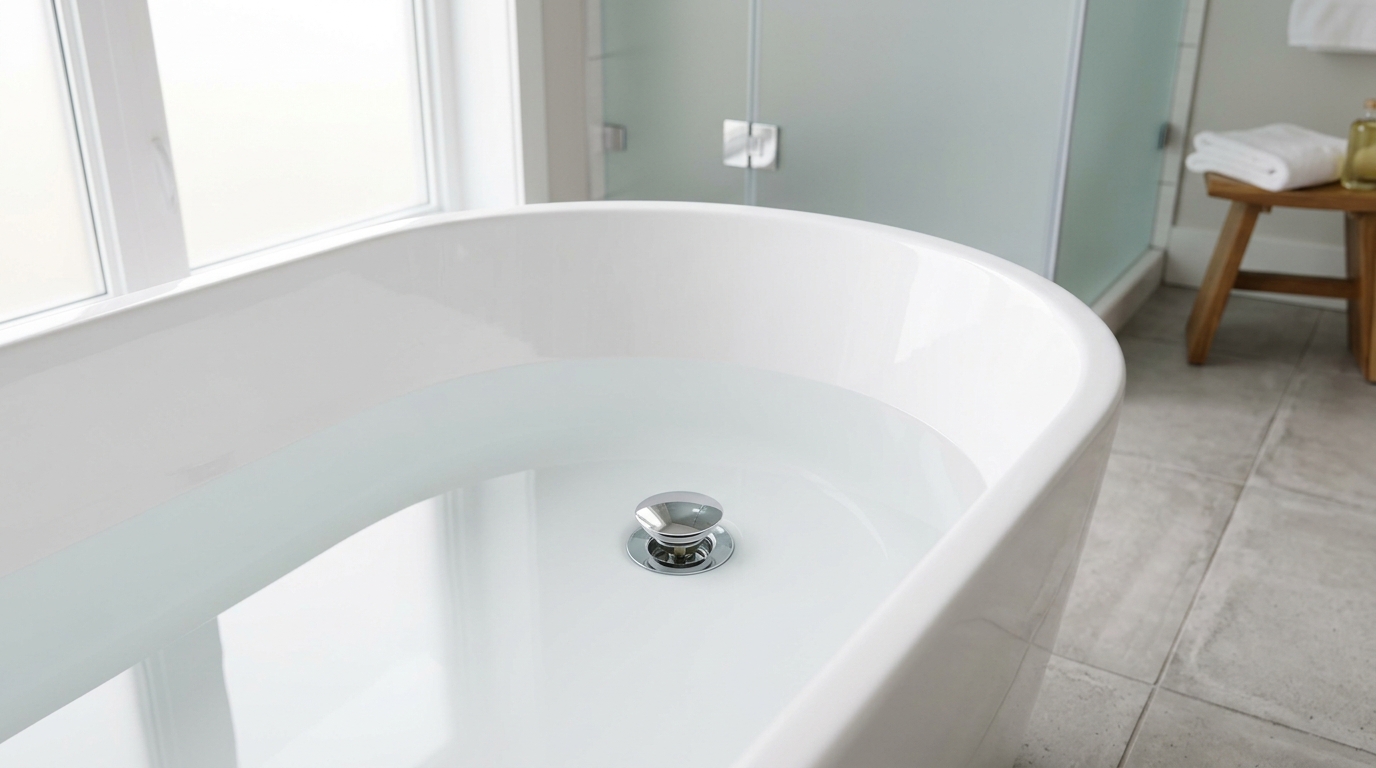
Why does my bathtub hold water instead of draining right away? In most homes, your tub drains slowly because loose hair, soap scum, and body oils have tangled together inside the drain pipe or around the stopper mechanism. When you take a bath or shower, these sticky materials catch on the metal parts under the drain opening and build up layer by layer. Over time, that buildup narrows the pipe like a pinched straw, stopping water from flowing away smoothly and leaving a puddle around your feet.
Standing in a pool of soapy water at the end of a shower is frustrating, but it is one of the most common plumbing complaints homeowners encounter. Bathtub drains handle a constant stream of shedding hair, natural oils, and thick body washes. Because hair does not dissolve easily in water, it clings to the mechanical components inside the drain assembly. Before you consider harsh chemical drain cleaners—which can damage pipes and corrode metal finishes—there are several safe, hands-on steps you can take to clear the obstruction yourself.
Understanding the Stopper Mechanism
Most slow tub drains are not blocked deep within the floor; the obstruction is usually sitting right at the surface, tangled around the stopper. Modern tubs typically use one of two main stopper styles: a lift-and-turn (or push-pull) pop-up stopper, or a trip-lever stopper connected to an overflow plate on the tub wall. Both designs provide metal rods, screws, and hinges that act like magnets for wet hair and soap scum.
Step 1: Safely Remove and Clean the Stopper
Cleaning the stopper mechanism is the easiest way to solve the majority of sluggish tub drains. Here is how to handle both common styles:
Pop-Up or Push-Pull Stoppers
Set the stopper to the open position. Inspect the top cap or the shaft beneath it. Many styles have a small top knob that unscrews counterclockwise. Once the knob is off, you will find a brass screw or a flathead slot underneath. Loosen the screw or unscrew the entire assembly by turning the main shaft counterclockwise. Once free, pull the stopper straight up. Use paper towels and an old toothbrush to strip away the thick mat of hair and soap residue, rinse the component thoroughly, and set it aside.
Trip-Lever Stoppers
Trip-lever drains operate via a toggle switch or lever on the circular overflow plate located below the tub faucet. To remove this style, use a screwdriver to remove the two screws holding the overflow faceplate in place. Gently pull the faceplate away from the tub wall; the attached linkage rod and brass plunger weight will slide out of the overflow pipe. Hair frequently wraps around the brass plunger or the hinges of the linkage. Wipe down the entire assembly with a rag and mild cleaner before reinstalling.
Step 2: Use a Zip-Style Drain Tool
With the stopper removed, you have direct access to the drain opening. A zip-style drain tool—a flexible plastic strip with small, barbed teeth along its edges—is one of the most effective and affordable tools for clearing hair clogs.
- Feed the plastic tool straight down into the drain opening until you meet light resistance.
- Gently twist and wiggle the tool to catch any loose strands of hair on the plastic barbs.
- Slowly pull the tool straight back out. Avoid yanking quickly, as this can snap the plastic or splatter dirty water.
- Dispose of the pulled hair in a trash bag. Repeat the process two or three times until the tool comes back clean.
Step 3: Plunge the Drain with the Overflow Covered
If clearing the stopper and using a zip tool does not fully restore the flow, a standard cup plunger can help dislodge blockages situated slightly further down the P-trap. However, bathtubs have an overflow opening that allows air to escape, which prevents a plunger from creating the suction needed to move a clog.
To plunge a tub effectively:
- Block the overflow opening completely. If the overflow plate is off, stuff a damp washcloth firmly into the overflow pipe, or seal the faceplate tightly with duct tape.
- Run about an inch or two of water into the tub so the rubber rim of the cup plunger remains submerged.
- Place the plunger cup directly over the main drain opening to establish a tight seal against the tub floor.
- Push down and pull up vigorously in quick, rhythmic strokes for 15 to 20 seconds, maintaining the seal on the tub surface.
- Pop the plunger off the drain to see if the standing water rushes down.
When a Bathtub Clog Points to a Deeper Issue
If you have cleaned the stopper, used a drain tool, and plunged the line without success, the blockage is likely seated deep inside the drain line beyond the reach of basic hand tools. Furthermore, if you notice that using the bathroom sink causes water to rise in your tub, or if flushing your toilet produces gurgling noises and dirty water backing up into the tub basin, you are dealing with a clog in the secondary branch line or the main sewer line.
Branch and main line blockages require professional drain equipment, such as heavy-duty motorized drain snakes or hydro jetting systems, which scour the interior walls of your plumbing without damaging pipe joints.
Contact The Drain Man Plumbing
If your bathtub continues to hold water or you suspect a deeper clog in your plumbing system, reach out to the experienced team at The Drain Man Plumbing in Jefferson City, Tennessee. You can schedule an appointment by calling our local office directly or by submitting a service request through our website contact form to get your drains flowing freely again.