
General Plumbing Repair
Why Did My Water Bill Double? How to Track Down Hidden Plumbing Leaks
A sudden jump in your water bill usually points to an unseen leak. Here is how to check your home and when to bring in a professional.
August 15, 2026
Why did my water bill suddenly double when nothing in my house has changed?
When your water bill jumps up out of nowhere, the most common culprit is a hidden leak. Water could be escaping from a worn toilet part, an underground pipe out in your yard, or an irrigation line without making a sound. Even a small, silent leak can waste hundreds of gallons of water every single day. If your daily routines have stayed the same and you have not filled a pool or washed extra laundry, clean water is almost certainly slipping out somewhere behind the scenes.
Opening your monthly utility statement to see an unexpectedly high balance can be alarming. When you know your family hasn't used more water than usual, it feels like an error on the city's part. While billing mistakes happen occasionally, an undetected plumbing issue is far more likely. Fortunately, you do not have to tear down drywall or dig up your lawn to start investigating. Homeowners can perform a few simple, non-invasive checks to determine whether water is flowing without permission.
Step 1: The Water Meter Test
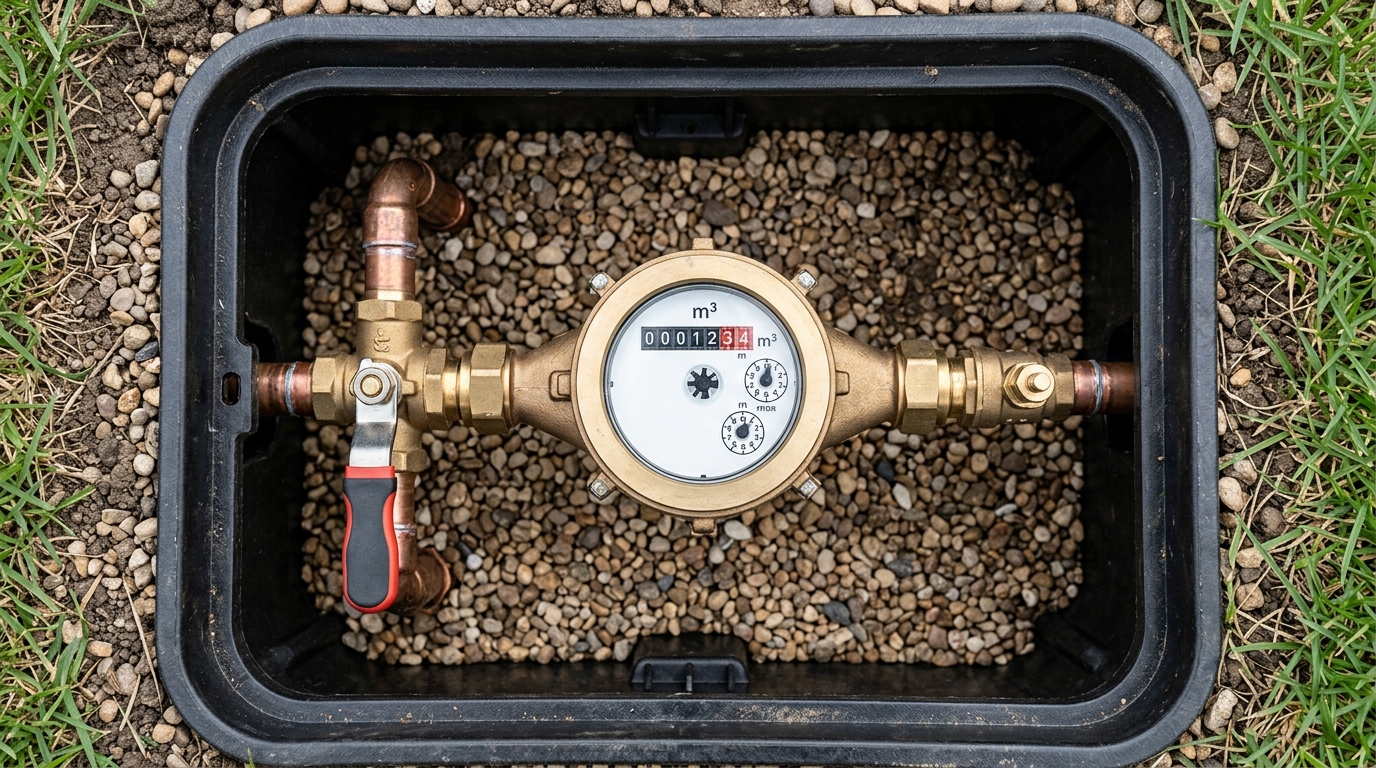
Your water meter is the single most accurate tool for confirming an active leak on your property. Located either in a ground box near the street or curb, or where the main water line enters your home, the meter measures every drop that passes through your plumbing system.
To perform this test effectively:
- Turn off every faucet, shower, and water-using appliance inside and outside your home. Make sure the washing machine, dishwasher, and automatic ice makers are completely idle.
- Go out to your water meter box and open the cover.
- Look at the meter face. Modern digital meters often have a small icon (such as a faucet, drip symbol, or small gear) that flashes when water is moving. Mechanical meters usually feature a small red or silver dial known as a low-flow indicator or leak detector.
- If that small dial or indicator is spinning while everything inside the house is turned off, water is flowing through the pipes right now.
- If the dial is not moving visibly, write down the exact reading on the meter. Leave all fixtures off for one to two hours, then return and check the numbers again. If the reading has climbed, you have a slow leak somewhere on your property.
Step 2: The Toilet Tank Dye Test
Toilets are responsible for the vast majority of unexplained indoor water spikes. A deteriorated flapper or an improperly adjusted fill valve can allow water to trickle silently from the tank into the bowl and straight down the drain 24 hours a day. Because the water does not spill onto the floor, you might never notice it happening.
You can verify your toilet's condition in just a few minutes using standard food coloring:
- Remove the lid from the toilet tank.
- Add 5 to 10 drops of dark food coloring (blue, red, or green work best) directly into the water in the tank.
- Do not flush the toilet. Leave it undisturbed for 15 to 20 minutes.
- Look into the toilet bowl. If you see colored water seeping into the bowl, your flapper valve is worn or warped and is allowing water to pass through continuously.
- Repeat this test for every toilet in your home to ensure each fixture is sealing properly.
Step 3: Checking Outdoor Fixtures and Supply Lines
If your toilets pass the dye test but your meter is still registering flow, your attention should shift outside. Exterior hose bibbs can develop slow leaks around the packing nut or backflow preventer. Check each outdoor spigot to ensure it is shut tight and dry around the handle and stem.
If you have an in-ground sprinkler or irrigation system, a cracked lateral line or damaged valve box can lose substantial amounts of water underground. Walk your yard to look for unusually lush, bright green patches of grass, soft spongy ground, or standing puddles when the weather has been dry.
When to Call for a Professional Leak Check
Basic DIY checks help you identify the presence of a leak, but pinpointing the exact physical location of a hidden pipe failure requires specialized tools. Continuing to guess where a leak is can result in wasted time, unnecessary disruption, and ongoing utility costs.
It is time to contact a professional plumber when:
- Your water meter indicates continuous flow, but all toilets, faucets, and visible fixtures are dry and fully sealed.
- You hear the faint sound of running water behind walls or beneath the floorboards when no fixtures are running.
- You notice unexplained warm spots on hard flooring or dampness along baseboards.
- You suspect a broken main water line between the street meter and your foundation.
How The Drain Man Plumbing Can Help
Tracking down hidden residential water loss is a core part of the general plumbing services offered by The Drain Man Plumbing. Serving Jefferson City, Tennessee, and the surrounding areas, our team comes prepared with the diagnostic expertise needed to locate obscured pipe leaks, service faulty toilet mechanisms, and repair damaged supply lines efficiently.
Instead of watching your utility bills climb month after month, reach out to The Drain Man Plumbing to schedule a thorough plumbing inspection. You can get in touch with our team by visiting our website or calling our Jefferson City office directly to have an experienced technician inspect your plumbing system and resolve the issue at the source.