
Tennessee Seasonal Plumbing
Why Your Basement Floods During Heavy Rain and How to Stop It
Understanding sump pumps, common failure signs, and how to keep your lower level dry during East Tennessee downpours.
September 8, 2026
Why does my basement flood every time it rains hard? In simple terms, heavy rain soaks the soil around your foundation until the ground cannot hold any more moisture. This buildup creates pressure against your foundation walls and floor, pushing water through tiny cracks, gaps, and porous concrete. If that pooling water has nowhere else to go, it spills directly into your living or storage space instead of draining away safely.
For homeowners in Jefferson City and surrounding areas, sudden downpours can put an enormous strain on residential drainage systems. Understanding how your home manages ground moisture—and recognizing when your equipment needs attention—is the best way to prevent stressful cleanups and costly structural damage.
How a Sump Pump Keeps Your Home Dry
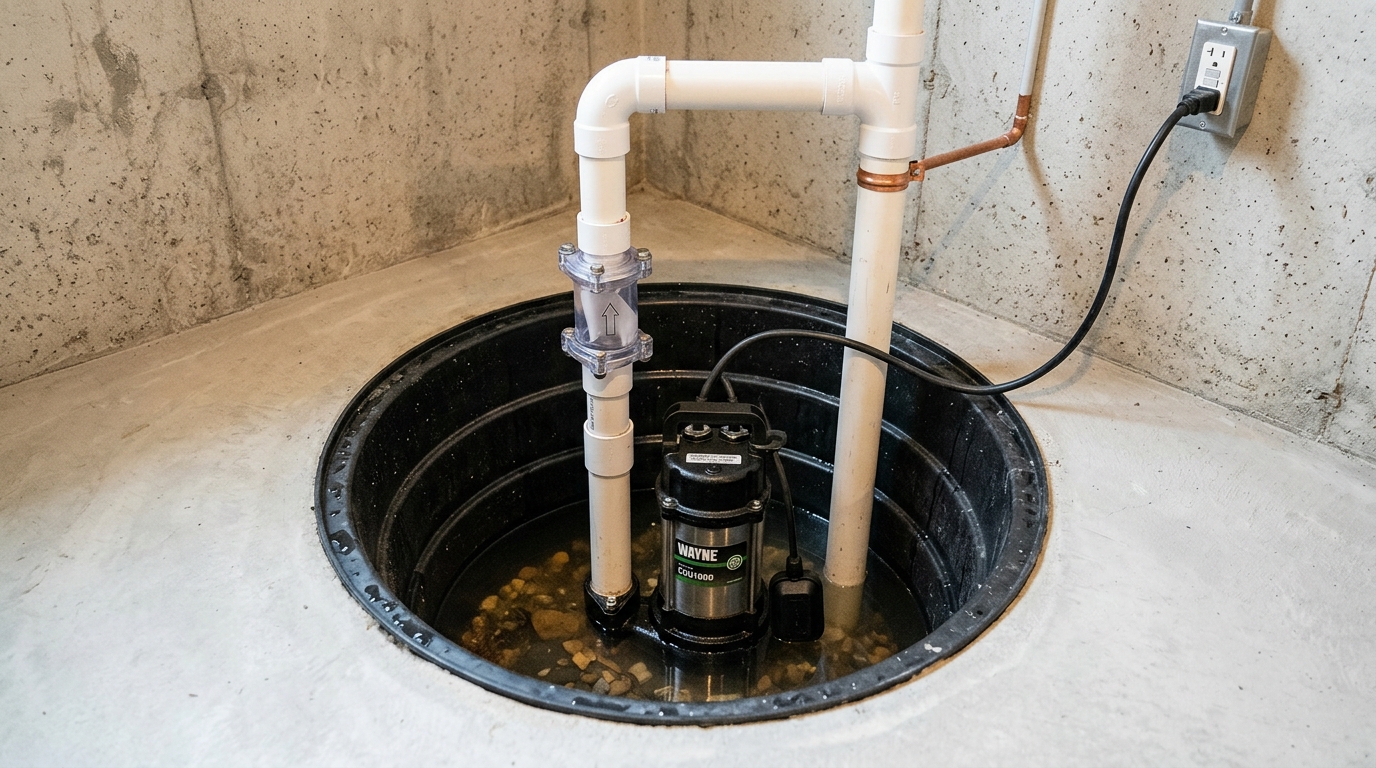
A sump pump is your basement's primary defense against groundwater intrusion. The system rests inside a specially constructed pit, called a sump basin, carved into the lowest point of your basement or crawl space floor.
As saturated soil around your foundation fills with water, perimeter drains or gravel beds channel that excess liquid into the basin. Inside the pit sits a float switch, which works much like the float inside a toilet tank. When the water level rises to a certain height, the float lifts and triggers the pump motor. The pump then pushes the accumulated water up through a discharge pipe, routing it well away from your foundation so it cannot seep back toward your home.
Signs Your Existing Sump Pump May Be Failing
Like any mechanical device with moving parts, sump pumps wear down over time. Catching early warning signs allows you to address issues before a major storm hits:
- Strange or excessive noise: Rattling, grinding, or loud humming sounds can indicate a damaged impeller, worn-out motor bearings, or debris caught in the intake.
- Continuous running: If the pump never shuts off, the float switch may be stuck, the check valve could be failing, or the unit might not be powerful enough to handle the volume of water entering the pit.
- Failing to activate: If water fills the pit above the normal trigger level and the pump remains silent, there could be an electrical failure, a broken switch, or a burned-out motor.
- Heavy vibration during operation: A bent or chipped impeller can cause the entire unit to wobble aggressively, leading to premature motor failure.
- Visible rust and debris buildup: Corrosion on the pump housing or thick sediment inside the basin can clog mechanical parts and shorten the equipment's lifespan.
Simple Maintenance Homeowners Can Do Themselves
Performing routine checks every few months can help ensure your equipment is ready when seasonal storms arrive:
- Test the float switch: Slowly pour a five-gallon bucket of water into the basin. The float should rise smoothly, the pump should turn on, discharge the water quickly, and shut off automatically.
- Clear the basin: Remove the lid and inspect the bottom of the pit. Clear away any loose gravel, silt, or debris that could get sucked into the pump intake.
- Check the outdoor discharge line: Walk outside to where the pipe exits your home. Make sure the opening is clear of leaves, mulch, dirt, or animal nests so water can flow freely away from your foundation.
- Inspect the power supply: Verify that the pump is securely plugged into a dedicated Ground Fault Circuit Interrupter (GFCI) outlet and that the cord is in good physical condition.
When Flooding Points to a Bigger Plumbing or Drainage Issue
A properly functioning sump pump can handle normal groundwater entry, but recurring basement flooding often points to broader complications. Water entering high on concrete walls usually indicates failing gutters, improperly sloped yard grading, or clogged exterior French drains that allow surface runoff to pool against the structure.
Similarly, if water bubbles up from a floor drain rather than seeping through foundation joints, you could be dealing with a blocked main sewer line or storm runoff overwhelming your indoor drainage pipes. These complex problems require a thorough inspection from a licensed plumbing professional who can trace the source of the moisture and recommend the right long-term solution.
Stay Ahead of the Next Downpour
Don't wait for dark clouds to gather over Jefferson City to find out if your drainage system is up to the task. Reach out to The Drain Man to inspect, maintain, or upgrade your home's sump pump setup before the next heavy storm arrives.