
Emergency Plumbing Advice
What to Do When an Overflowing Toilet Won't Stop
Immediate steps to stop the water, protect your home, and know when to call a professional plumber in Jefferson City.
August 3, 2026
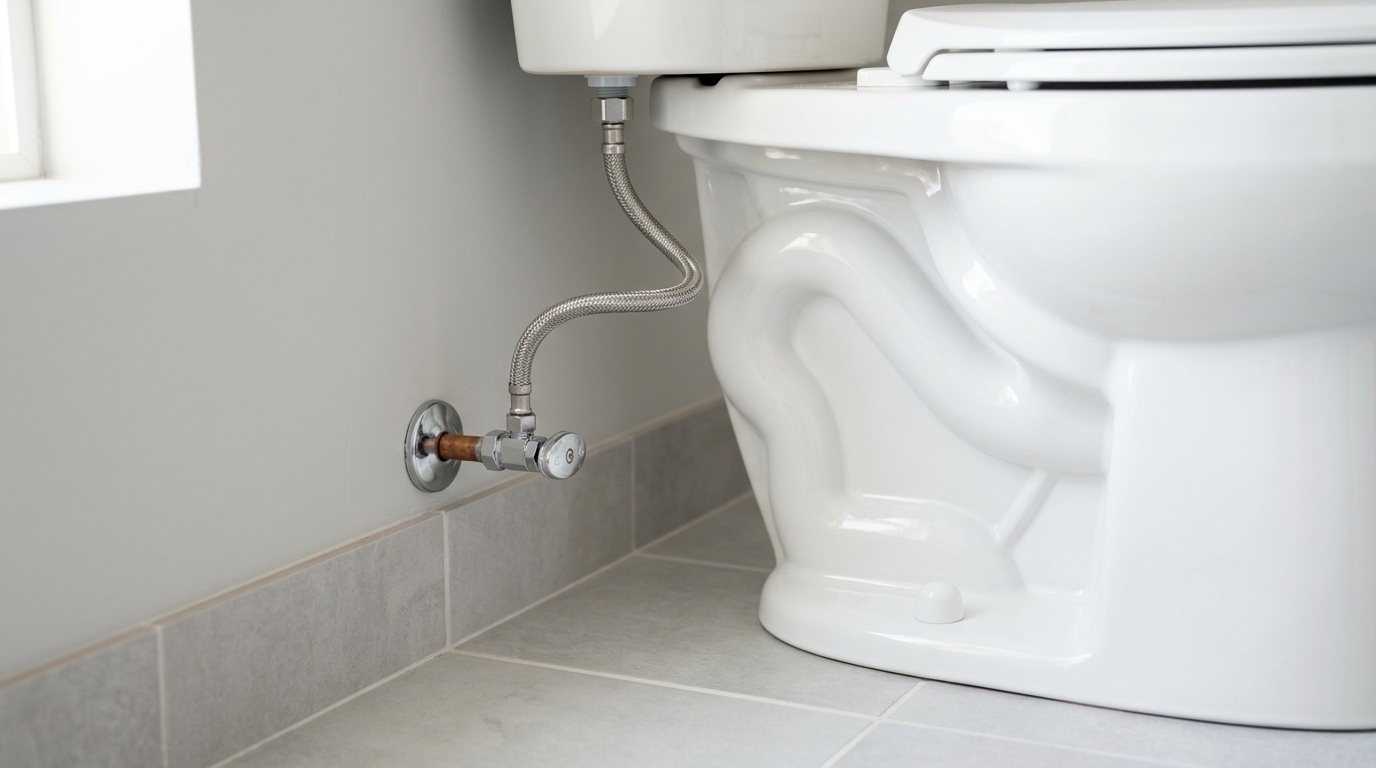
What should I do if my toilet overflows and keeps going no matter what I try? If your toilet is overflowing and the water keeps rising, the very first thing you need to do is turn off the water supply valve located on the wall right behind or beneath the toilet tank. Reach down, find the small oval knob or lever, and turn it clockwise until it stops. Do not keep plunging while the water is still rising, because plunging during an active overflow will only splash dirty water onto your floor and will not stop more water from entering the bowl. Once that supply valve is closed tight, the water will stop flowing into the tank and bowl, giving you time to manage the situation safely.
Step 1: Contain the Water and Protect Your Flooring
Once you have shut off the water valve behind the toilet, your immediate focus should shift to minimizing water contact with your bathroom floor. Standing water can seep beneath tile, baseboards, and subflooring quickly, leading to structural issues if left unaddressed.
Grab old towels, rags, or a mop to soak up the water around the base of the fixture. If you have a wet/dry shop vacuum, you can use it to pull moisture from hard surfaces. Place damp towels in a laundry bucket and disinfect the floor using a household cleaner once the standing liquid is gone. Keeping safety in mind, wear rubber gloves throughout this process to avoid direct contact with wastewater.
Step 2: Attempting to Plunge Safely
Now that the water has stopped rising and the floor is stabilized, you can evaluate the bowl itself. You only want to plunge after the water has stabilized and the supply line is closed.
For toilets, always use a flange plunger rather than a standard flat-bottom cup plunger. A flange plunger has an extended rubber collar that inserts directly into the toilet trapway, creating a tight seal. Follow these steps for an effective plunge:
- Ensure there is enough water in the bowl to cover the head of the plunger. If the bowl drained completely, add a small bucket of water.
- Place the plunger over the drain hole at an angle so the bell fills with water rather than air.
- Press down firmly to establish a secure seal, then push and pull vigorously straight up and down for 15 to 20 seconds.
- Pull the plunger away quickly on the final pull to break the suction.
If the water rushes down the drain, the clog was likely a localized obstruction near the bowl. However, if the water remains completely stationary or burps back up without draining, stop plunging. Repeated forceful plunging against a stubborn blockage can damage the wax seal beneath your toilet.
Step 3: Checking Other Drains in Your Home
If your toilet refuses to clear, or if the bowl began filling up on its own when another fixture was running, you need to check the rest of your plumbing system. Walk around your home and inspect nearby plumbing fixtures:
- Bathtubs and Showers: Look to see if water or residue is rising in the lowest shower pan or tub in your home.
- Sinks: Turn on a nearby bathroom sink and observe whether the water level in the toilet bowl reacts or makes a gurgling noise.
- Washing Machine Drain: Check if a laundry discharge cycle causes backups in nearby floor drains or fixtures.
When an Overflow Points to a Main Sewer Line Blockage
A single fixture blockage is usually simple to address, but a toilet that continues to overflow—especially one accompanied by slow drains or backups in tubs and sinks—is the classic sign of a main sewer line blockage. Your main drain line carries wastewater from every fixture in your home out to the municipal sewer or septic tank. When an obstruction forms deep inside this main pipe, wastewater has nowhere to go and forces its way back up through the lowest plumbing openings in your house, which are typically ground-floor toilets and showers.
Common causes of main line clogs include severe tree root intrusion, deteriorated or shifted sewer pipes, heavy grease buildup, and foreign objects lodged deep in the line. Plungers and household chemical drain cleaners cannot fix a main line stoppage, and attempting to force water through the pipes will only cause further overflowing.
How The Drain Man Plumbing Resolves Severe Blockages
A blocked main sewer line requires specialized commercial equipment and experienced diagnosis. This is exactly what The Drain Man Plumbing's emergency plumbing service is equipped to handle. Our team arrives prepared with professional-grade drain clearing tools, heavy-duty motorized drain snakes, and high-resolution video inspection cameras that pinpoint the exact location and cause of the blockage without damaging your plumbing system.
If your toilet is overflowing uncontrollably, won't clear with basic steps, or is causing water to back up into other drains in your home, do not wait for the problem to escalate. Contact The Drain Man Plumbing right away by phone or reach out through our website to schedule an emergency service visit in Jefferson City, Tennessee.