
Sewer Line Services
Warning Signs of Sewer Line Blockages, Tree Roots, and Trenchless Solutions
Learn how to spot underground sewer issues early, understand root intrusion in mature yards, and explore modern trenchless repair methods.
September 1, 2026
Your home's main sewer line carries all wastewater away from your sinks, toilets, showers, and appliances toward the municipal main or septic system. Because these pipes are buried underground, problems often develop out of sight until wastewater struggles to exit the home. Understanding the early indicators of a sewer line obstruction—and how environmental factors like mature tree roots contribute to line failure—allows homeowners to take action before experiencing extensive backups. Modern plumbing diagnostics and trenchless rehabilitation methods now make it possible to address these issues effectively without always having to dig up entire lawns, driveways, or landscaping.
Common Warning Signs of a Main Sewer Line Blockage
Unlike an isolated clog in a single sink or toilet trap, a main sewer line clog affects the entire drainage network of the house. Recognizing the pattern of symptoms helps distinguish between a localized fixture issue and a mainline problem.
- Multiple Fixtures Draining Slowly: If only the kitchen sink drains slowly, the issue is likely in that specific branch line. However, if toilets, tubs, and basement floor drains simultaneously exhibit slow drainage, the restriction is usually located in the shared main sewer lateral.
- Unusual Gurgling and Bubbling Sounds: When air becomes trapped behind an underground blockage, draining water forces displaced air back through the nearest plumbing traps. This creates distinct gurgling sounds in toilets or floor drains when running washing machines, dishwashers, or sinks.
- Cross-Fixture Water Backups: A classic sign of a main line obstruction occurs when using one fixture causes water to appear in another. For instance, running a bathroom sink might cause water to rise in an adjacent shower base, or flushing an upstairs toilet might cause bubbling or rising water levels in a ground-floor toilet.
- Persistent Sewer Odors: Sewer gases should vent safely through the roof vent stack. Cracks or severe blockages in the main line can break the continuous seal of the system, causing noticeable sewer gas smells in living spaces, basements, or near outdoor foundation walls.
- Unexplained Lush or Soggy Patches in the Yard: If a pipe has cracked or separated underground, escaping wastewater can saturate the surrounding soil, leading to localized soggy spots, sunken ground, or patches of grass that grow significantly greener and faster than the rest of the lawn.
The Impact of Tree Root Intrusion in Older Neighborhoods
Tree root intrusion is one of the leading causes of sewer lateral damage, particularly in established neighborhoods characterized by mature shade trees and older piping infrastructure.
Vulnerable Pipe Materials
Homes built several decades ago frequently utilized sewer pipes constructed from vitrified clay, cast iron, or concrete. While durable under normal conditions, clay pipes were installed in short sections joined by mortar or mechanical seals that deteriorate over time. Cast iron pipes are subject to interior corrosion and channeling along the bottom of the pipe. As these materials age, joints loosen and small micro-fissures develop.
How Roots Enter the System
Tree roots naturally seek sources of moisture, oxygen, and nutrients. Warm water traveling through sewer pipes creates vapor that escapes into the surrounding soil through small hairline cracks or deteriorated joint connections. Attracted to this vapor, fine, hair-like root tips enter through microscopic openings. Once inside the pipe, the roots encounter an ideal growing environment rich in water and nutrients, rapidly expanding into dense, fibrous root masses that catch toilet paper, grease, and solid waste, eventually causing a complete blockage. Over time, expanding roots exert tremendous radial pressure, which can crack, displace, or fully collapse the pipe wall.
Modern Diagnostic Methods
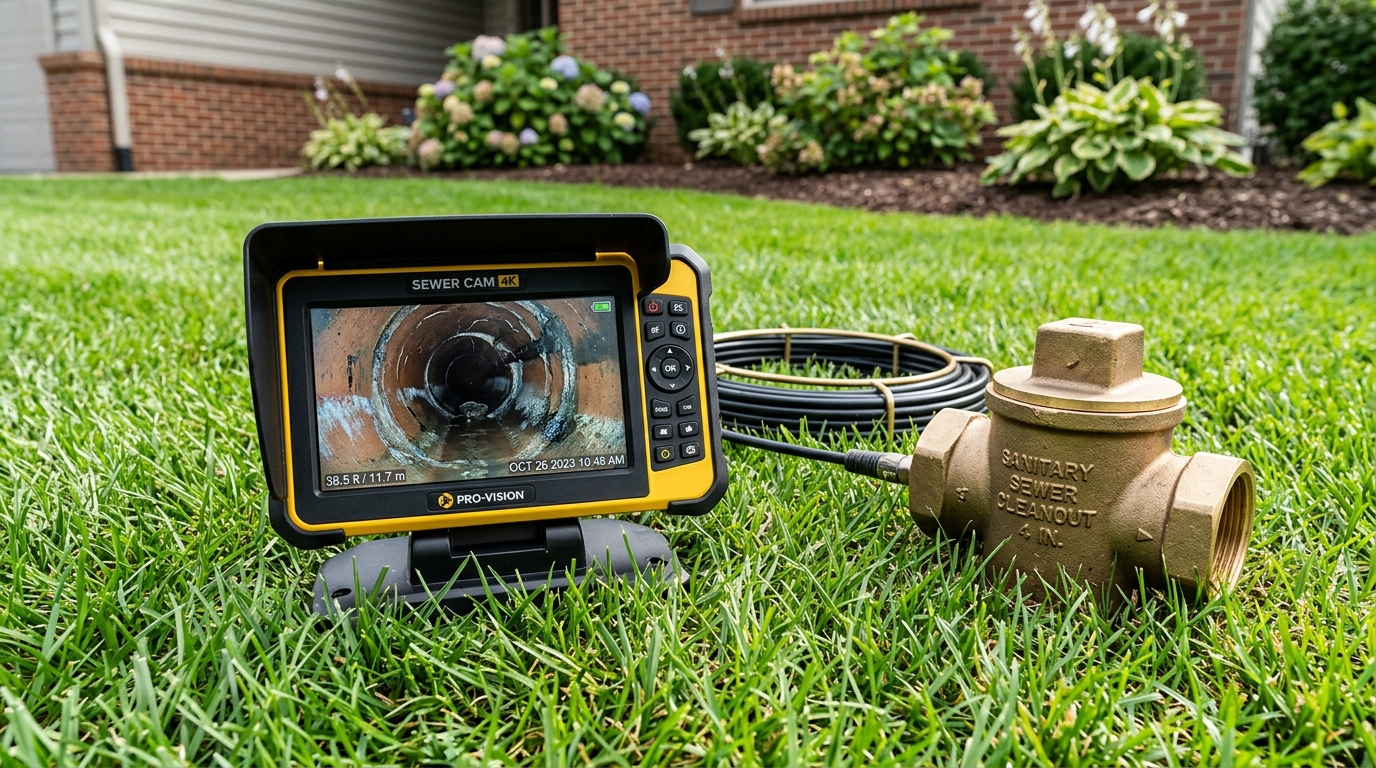
Guesswork is no longer necessary when assessing underground sewer conditions. Professional diagnostics typically begin with an in-line video camera inspection.
A specialized, waterproof camera attached to a flexible fiber-optic cable is inserted through an accessible cleanout fitting. As the camera travels through the lateral, high-resolution footage reveals the pipe's internal condition in real time. This inspection identifies:
- The exact location and depth of root intrusion, cracks, or offsets.
- The material and general structural integrity of the line.
- Whether the pipe has low spots (bellies) where water and debris pool.
- Whether the line is a candidate for mechanical clearing, trenchless rehabilitation, or traditional replacement.
Exploring Trenchless Repair Options
Historically, repairing or replacing a compromised sewer lateral required extensive excavation—digging a continuous trench across yards, gardens, driveways, or sidewalks. While open-trench excavation remains necessary for completely collapsed pipes or severe structural grade failures, trenchless technologies offer effective alternatives with minimal surface disruption.
1. Cured-in-Place Pipe (CIPP) Lining
CIPP lining, commonly referred to as pipe relining, creates a seamless "pipe-within-a-pipe." A flexible, epoxy-resin-saturated felt or fiberglass tube is inserted into the damaged pipe from an existing access point or small entry pit. Once in place, the liner is inflated and cured using hot water, steam, or ambient air. The resin hardens to form a smooth, continuous, joint-free interior wall that seals cracks, covers deteriorated joints, and blocks future root penetration without significantly reducing the pipe's flow capacity.
2. Pipe Bursting
Pipe bursting is a trenchless replacement method used when a pipe is too damaged for lining but maintains a relatively consistent path. This technique requires two small access pits: one at the start of the line and one at the end. A heavy-duty bursting head is pulled through the existing sewer lateral, fracturing the old pipe outward into the surrounding soil while simultaneously pulling a new, high-density polyethylene (HDPE) pipe into place behind it. The resulting HDPE line is seamless, resistant to root intrusion, and structurally independent of the old host pipe.
Maintaining a Healthy Sewer Lateral
To reduce the likelihood of severe sewer backups, homeowners should follow sensible preventative practices:
- Mind What Goes Down Drains: Keep fats, oils, grease, wet wipes (even those labeled flushable), paper towels, and feminine hygiene products out of drains and toilets.
- Locate and Maintain Cleanouts: Ensure sewer cleanout caps outside the home remain visible, accessible, and securely sealed.
- Schedule Periodic Camera Inspections: For homes over 30 years old or properties with large trees near the sewer alignment, periodic video inspections help detect minor root intrusion before it causes an emergency backup.
- Plan Landscaping Carefully: When planting new trees or large shrubs, locate utility lines first and select slow-growing species with non-aggressive root systems to minimize future risk.