
General Plumbing Repair
Tennessee Landlord Plumbing Guide: Repair Obligations & Habitability
Understanding your plumbing maintenance duties for rental properties in Jefferson County.
September 8, 2026
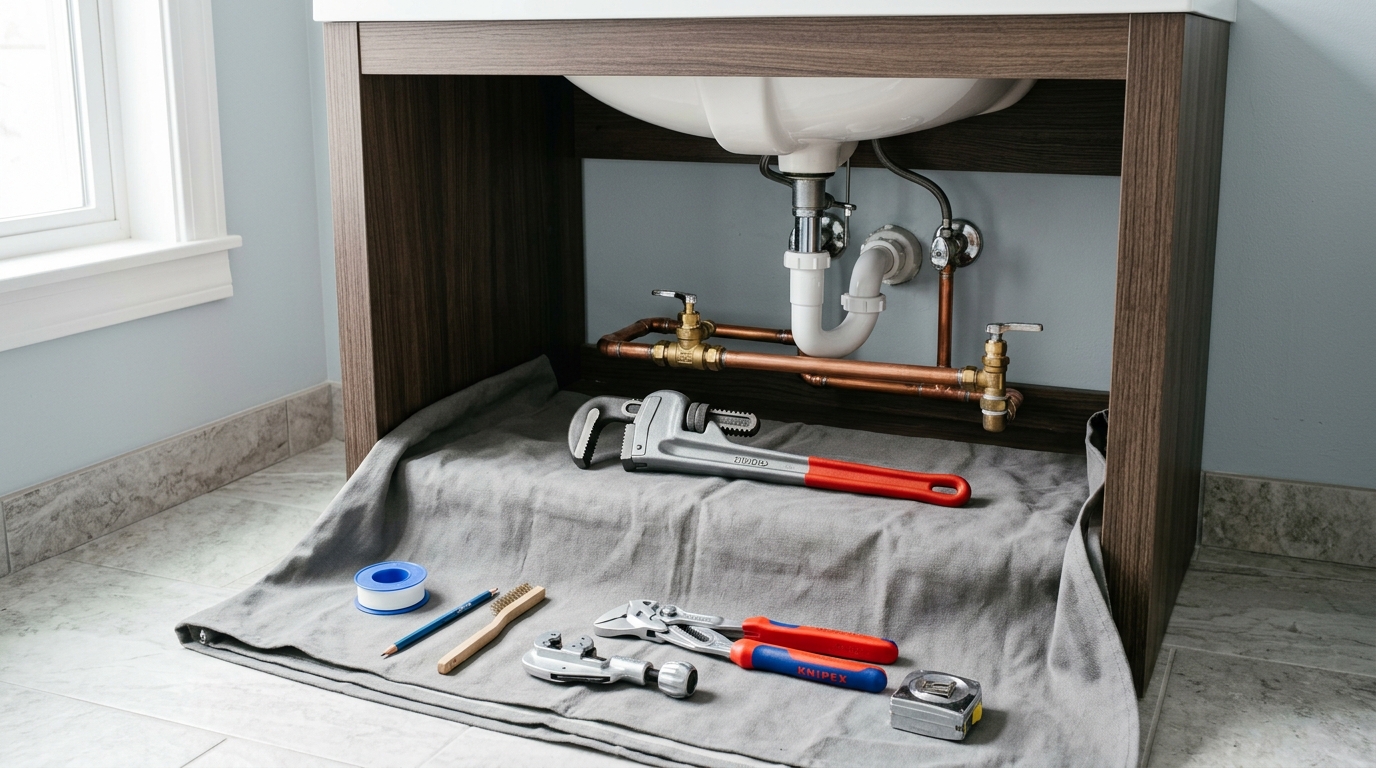
What plumbing problems am I legally required to fix as a landlord in Tennessee? In short, you must fix any plumbing issue that affects basic health, sanitation, or safety. This includes problems like broken sewer lines, overflowing toilets, and a lack of clean, running hot or cold water. Tennessee law requires property owners to provide a rental home that is safe and livable. When a plumbing failure makes a home unhealthy or unfit to live in, repairing it is your legal duty as a landlord.
How Rental Laws Apply in Jefferson County
Tennessee rental rules can vary depending on where your property is located. Under Tennessee state law, counties with populations over 75,000 are governed by the Uniform Residential Landlord-Tenant Act (URLTA). Because Jefferson County’s population falls below that 75,000 threshold, URLTA does not automatically apply to local rental homes.
Instead, landlord repair responsibilities in Jefferson City and throughout Jefferson County are shaped by Tennessee common law, the terms of your specific lease agreement, and local building and housing codes. Under common-law principles, property owners must maintain the property in a habitable condition and ensure that core residential systems remain functional throughout the tenancy.
What Does "Habitable" Mean for Residential Plumbing?
In residential rentals, habitability refers to the minimum standards needed for a home to be safe, clean, and fit for human living. Plumbing plays a central role in meeting these standards. In practical terms, a habitable property requires:
- Continuous Potable Water: Tenants must have access to a clean, pressurized supply of potable running water for drinking, cooking, and basic washing.
- Functioning Hot Water: Water heaters must work properly to provide sufficient hot water for sanitary bathing and cleaning.
- Operational Toilets and Waste Lines: Every rental unit must have at least one working toilet connected to a functioning municipal sewer line or permitted septic system.
- Safe Drainage and Sanitation: Wastewater must drain away properly without backing up into tubs, sinks, or basements, keeping the home free of raw sewage hazards.
- Intact Piping: Leaks that cause standing water, hidden rot, or potential structural weakening must be managed to prevent unsafe indoor living conditions.
Response Times for Tenant Repair Requests
When a tenant reports a plumbing issue in writing, how quickly must a landlord respond? Tennessee common law requires landlords to complete repairs within a "reasonable time." What counts as reasonable depends heavily on the severity of the problem:
- Severe Plumbing Emergencies: Issues that completely deprive a tenant of running water, cause raw sewage to back up into the dwelling, or present immediate structural threats require prompt action, often within 24 to 48 hours.
- Standard Maintenance Repairs: Non-urgent issues, such as a slow-draining bathroom sink, a minor faucet drip, or a running toilet flapper, should still be addressed promptly, typically within 14 days of receiving written notice.
The Risks of Delaying Plumbing Repairs
Failing to address plumbing maintenance in a timely manner creates serious legal, financial, and structural hazards for landlords, including:
- Property Degradation: Small plumbing leaks can quickly escalate into rotted subfloors, damaged drywall, and costly structural repairs.
- Code Enforcement Actions: Local building inspectors can issue citations or declare a property temporarily unfit for occupancy if basic sanitation standards are not met.
- Tenant Dispute Risks: Severe neglect of habitability issues can lead tenants to seek lease termination or pursue legal remedies for constructive eviction.
Best Practices for Property Owners
To protect your real estate investments and maintain good relationships with tenants, establish a clear, documented repair process. Keep a written record of all tenant maintenance requests, the date you responded, and invoices detailing the work completed by a licensed plumbing professional. Because individual lease agreements and municipal ordinances vary, always consult a qualified Tennessee attorney for specific legal questions regarding landlord-tenant disputes.
When plumbing issues arise at your rental properties in Jefferson City, partnering with a dependable local service company makes all the difference. The Drain Man provides thorough, well-documented plumbing repair and maintenance services across single-family and multi-unit rentals, helping you keep your properties compliant, functional, and fully operational.