
Water Heater Solutions
Tank vs. Tankless Water Heaters: Choosing, Maintaining, and Winterizing Your System
A practical guide to comparing water heater types, identifying warning signs of equipment failure, and keeping your hot water running reliably all winter.
September 1, 2026
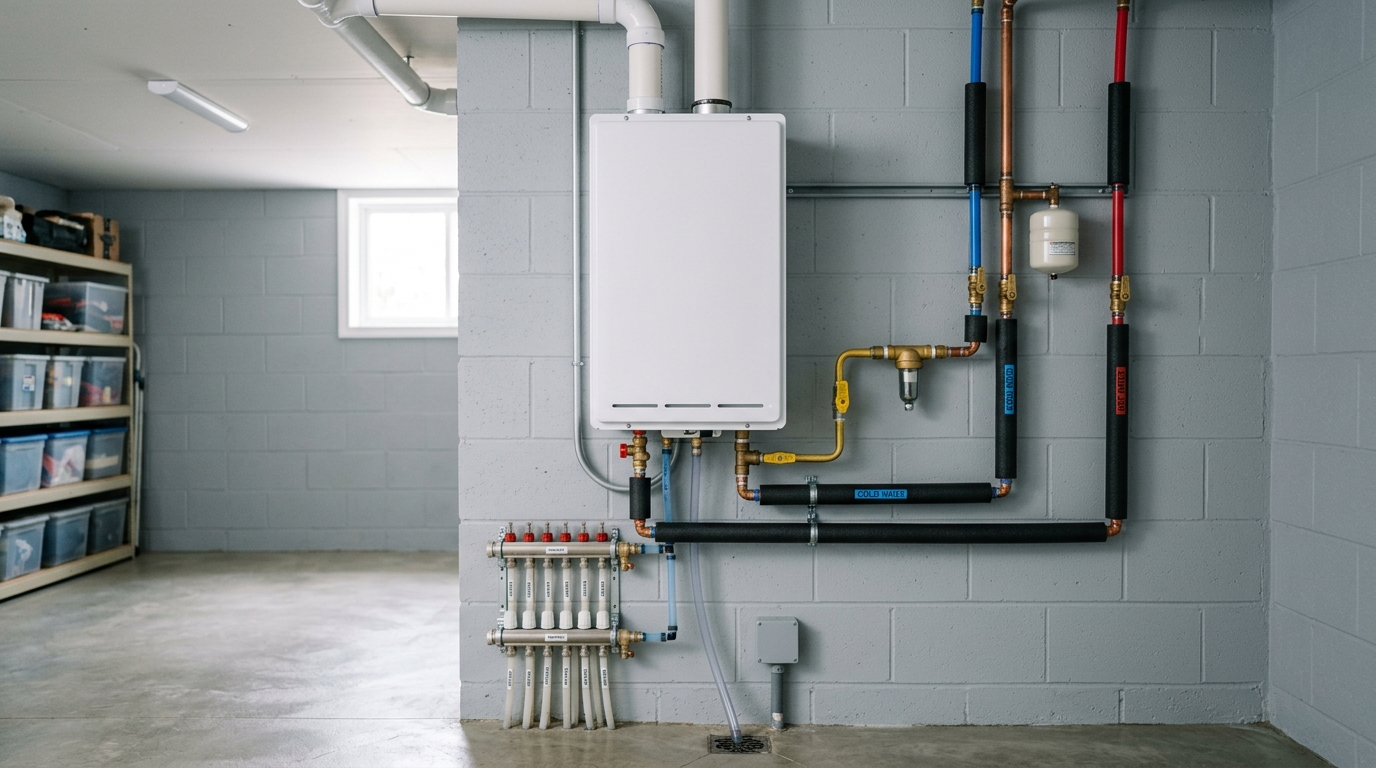
When cold weather arrives, residential plumbing systems face increased demand, and no appliance works harder during the winter months than your water heater. Incoming groundwater temperatures drop significantly in winter, forcing your heating system to work longer and consume more energy to deliver the same temperature at your faucets and showerheads.
Understanding the operational differences between standard storage tanks and on-demand tankless units helps you make informed choices about your home's setup. Recognizing the early indicators of system wear and performing timely maintenance ensures your household stays comfortable and avoids unexpected disruptions when temperatures plunge.
Comparing Traditional Tank and Tankless Water Heaters
Choosing the right water heating system depends on your household size, daily water consumption patterns, and physical space availability. Both storage-tank and tankless designs offer specific operational benefits and considerations.
Traditional Storage-Tank Water Heaters
Traditional water heaters store a dedicated volume of water—typically between 30 and 80 gallons—in an insulated vertical tank. The system continuously heats this water to a preset temperature using natural gas burners or electric resistance elements so it is ready for immediate distribution.
- Operational Simplicity: Tank systems are straightforward to operate, feature fewer computerized components, and generally integrate seamlessly into existing utility spaces without requiring electrical panel or gas supply line modifications.
- Standby Heat Loss: Because water sits in the tank continuously, heat gradually dissipates through the tank walls, requiring periodic reheating even when no fixtures are running.
- Capacity Constraints: Once the stored hot water is fully depleted by consecutive showers or appliance cycles, the unit requires a recovery period to bring a fresh tank of cold water up to temperature.
Tankless (On-Demand) Water Heaters
Tankless systems do not store water. Instead, cold water flows through a compact unit containing a high-output heat exchanger that rapidly heats water only when a hot water tap or appliance is activated.
- Continuous Supply: As long as the demand remains within the unit's rated flow capacity (measured in gallons per minute), a tankless heater provides a continuous stream of hot water without running out.
- Space and Energy Efficiency: Tankless units mount directly to a wall, freeing up floor space in basements, closets, or utility rooms. Because they do not maintain a hot reservoir throughout the day, they eliminate standby energy losses.
- Simultaneous Demand Limits: If multiple high-demand fixtures—such as two showers and a washing machine—run at the exact same time, the flow rate may exceed the heating capacity, causing temporary temperature drops.
Signs Your Water Heater May Be Failing
Water heaters rarely fail without showing advance warning signs. Catching these indicators early allows you to address localized issues before they result in complete system breakdowns or active leaks.
- Fluctuating Water Temperatures: Inconsistent heat, water that turns lukewarm quickly, or sudden temperature drops often point to failing heating elements, broken dip tubes, or mineral crusting on the heat exchanger.
- Unusual Popping or Rumbling Noises: Over time, naturally occurring minerals settle at the bottom of a storage tank. As water trapped beneath this sediment layer boils, it produces popping, knocking, or rumbling sounds. In tankless units, scale build-up inside narrow heat exchanger passages can cause straining sounds.
- Discolored or Murky Water: If hot water appears rusty, brownish, or cloudy while cold water runs clear, the sacrificial anode rod inside your tank may be depleted, allowing the steel interior to corrode.
- Moisture or Dripping Near the Base: Dampness around fittings, valves, or the bottom perimeter of a storage tank can indicate loose connections, a leaking temperature and pressure relief valve, or internal tank fractures.
- Extended Recovery Times: If your storage tank takes noticeably longer to replenish its hot water supply than it did previously, sediment accumulation or worn-out heating components may be hindering thermal transfer.
Maintenance Tips for Improving Winter Performance
Winter conditions place higher strain on water heaters because incoming supply lines bring colder water into the house. Implementing routine maintenance steps before and during freezing weather helps maximize efficiency and system longevity.
1. Flush the System to Remove Sediment and Scale
Mineral accumulation insulates heating elements from the water, forcing the system to run longer to reach the set temperature. Draining and flushing a standard tank heater annually removes accumulated silt and calcium. For tankless systems, running a descaling solution through the internal heat exchanger removes scale deposits that restrict water flow and reduce thermal efficiency.
2. Check and Adjust the Thermostat Setting
The standard recommended temperature setting for residential water heaters is 120 degrees Fahrenheit. This setting provides sufficient warmth for domestic use while minimizing the risk of scalding and slowing mineral precipitation inside the unit. Avoid raising the temperature excessively in winter, as higher settings accelerate component wear.
3. Insulate Exposed Supply and Outlet Pipes
Hot water traveling through uninsulated pipes located in unheated basements, crawlspaces, or exterior walls loses thermal energy before reaching your fixtures. Adding foam pipe insulation along the first several feet of inlet and outlet piping helps retain heat and prevents cold-weather freezing risks on nearby supply lines.
4. Test the Temperature and Pressure (T&P) Relief Valve
The T&P relief valve is an essential safety feature designed to release excess pressure or heat if internal levels rise too high. Homeowners should periodically inspect this valve to verify that the discharge line is unobstructed and clear of corrosion.
5. Keep Exterior Vents Clear on High-Efficiency Units
Modern high-efficiency tank and tankless models vent exhaust gases directly outdoors through PVC or specialized metal piping. Check the exterior vent terminations periodically during winter storms to ensure they remain clear of snow drifts, falling icicles, and debris that could cause the unit to shut down for safety.