
Water Heater Solutions
Switching from a Gas to Electric Water Heater: What Homeowners Need to Know
Thinking about changing fuel sources for your hot water? Here is how a gas-to-electric conversion works and what to check first.
September 25, 2026
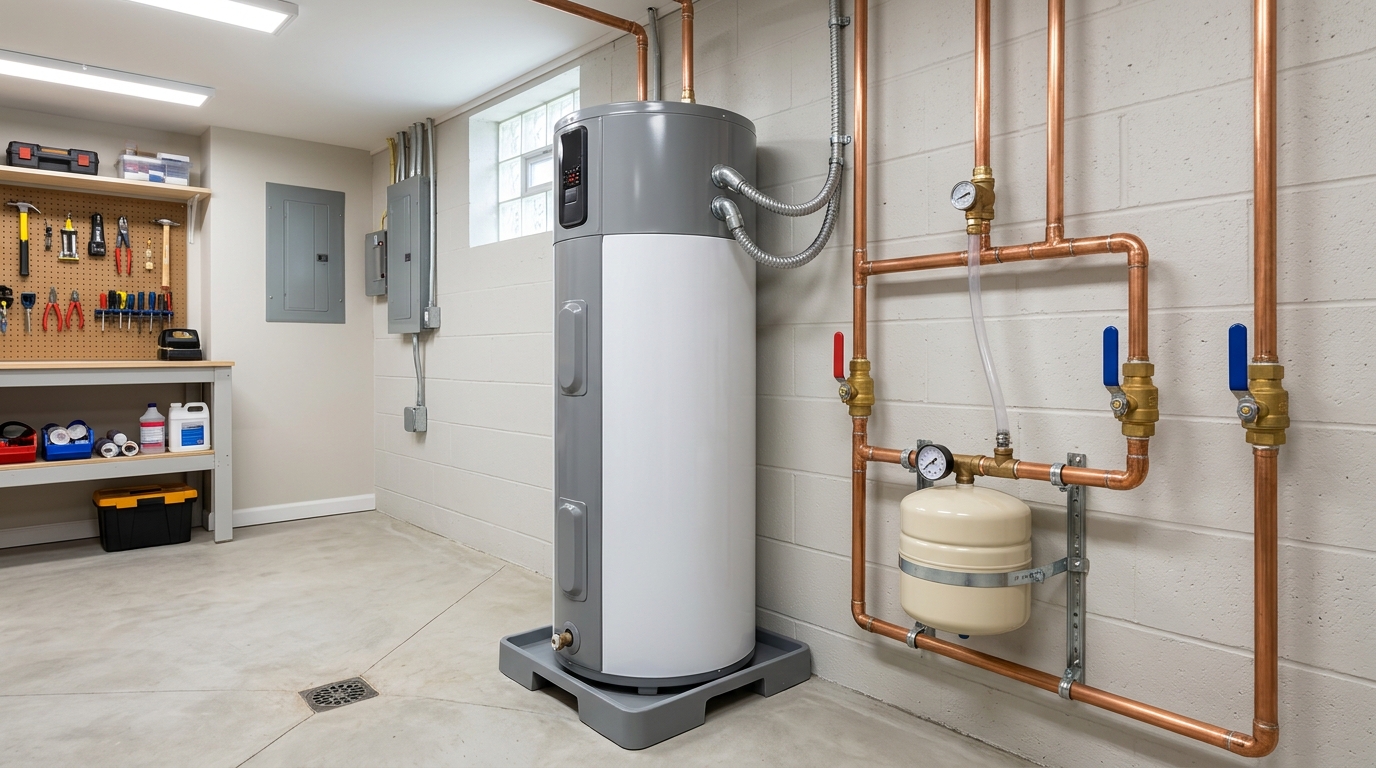
Can I switch from a gas water heater to an electric one without a full replacement? The short answer is no. You cannot convert an existing gas water heater into an electric one by swapping out a few internal parts. Because gas and electric systems heat water in completely different ways, making this change always requires removing the old tank and installing a brand-new electric unit. This is not a simple direct swap. It involves running new, heavy-duty electrical wiring from your breaker box, safely capping off your old gas supply line, closing off venting, and sometimes finding a slightly different footprint or spot in your home for the new equipment.
If you are thinking about moving away from gas water heating, you are not alone. Many homeowners explore an electric water heater when updating their home energy setup or when an older gas appliance nears the end of its useful life. Before scheduling an installation, there are several practical details you can evaluate to understand how the transition will work in your house.
What to Research and Plan for in the Short Term
While you should never attempt the mechanical conversion yourself, there is plenty of helpful planning you can do ahead of time. Evaluating your household's setup helps ensure you choose the right replacement system.
1. Your Household's Hot Water Demand
Gas water heaters generally heat incoming cold water faster than standard electric resistance tanks (a metric known as the recovery rate). If your household frequently runs multiple showers, a washing machine, and a dishwasher at the same time, you may need a slightly larger storage tank with an electric model to match the comfort you are used to. Take note of peak usage times and the number of people living in your home.
2. Space and Placement Requirements
Electric water heaters do not require a chimney, flue pipe, or direct-vent line to discharge combustion gases to the outdoors. While this gives you more flexibility on where the unit can sit, electric tanks often have thicker insulation jackets, making them slightly wider or taller than older gas tanks of the same gallon capacity. Measure the height and width of your existing utility closet, basement corner, or garage space to see how much physical clearance you have available.
3. Your Electrical Panel Capacity
A standard tank-style electric water heater typically requires a dedicated 240-volt, 30-amp circuit with appropriately gauged copper wiring. Walk over to your main electrical panel and check whether you have available physical breaker slots and adequate overall amperage service. If your panel is completely full, an electrical service expansion or sub-panel might be necessary before an electric water heater can be powered safely.
Why Gas-to-Electric Conversions Are Strictly Professional Projects
Replacing a water heater with the same fuel type is already complex, but converting between fuel sources introduces multiple trade requirements that must follow strict residential building, plumbing, and electrical codes.
- Safe Gas Line Decommissioning: The old natural gas or propane line cannot simply be turned off at the appliance valve. It must be properly disconnected, sealed with an approved pipe cap or plug, and thoroughly pressure-tested to eliminate any risk of gas leaks inside your living space.
- High-Voltage Power Delivery: Standard wall outlets cannot run a major heating appliance. Connecting a 240-volt system requires running heavy electrical line through walls or conduit, setting up proper strain relief, grounding the chassis, and wiring the internal thermostats safely to prevent fire hazards.
- Plumbing and Expansion Management: Connecting water lines involves proper dielectric unions to prevent galvanic corrosion between dissimilar metals, properly routing the temperature-and-pressure (T&P) relief discharge pipe to a safe drain point, and ensuring thermal expansion tanks are properly pressurized and installed.
Complete Fuel Conversion Services from The Drain Man Plumbing
You do not have to coordinate multiple separate contractors to navigate a fuel conversion. The Drain Man Plumbing provides comprehensive water heater installation services throughout Jefferson City, Tennessee, and the surrounding Lakeway area. Our experienced plumbing team manages the entire process from start to finish.
We handle the safe disconnection and capping of your previous gas piping, remove and dispose of your old equipment, install your new energy-efficient electric water heater, and ensure all water and electrical connections comply with local safety codes. Every installation is tested for balanced water pressure, proper heating performance, and watertight connections before the job is considered complete.
Schedule Your Water Heater Consultation Today
If you are ready to explore an electric water heater installation or need an honest assessment of your home's hot water system, reach out to our team at The Drain Man Plumbing. Give us a call at our Jefferson City office or submit a consultation request through our website's online contact form. We will gladly inspect your setup, discuss your family's hot water needs, and help you select the most dependable water heating solution for your home.