
Tennessee Seasonal Plumbing
Seasonal Plumbing Care: Protecting Pipes in Freezing Winters and Managing High Summer Demands
Step-by-step strategies for winterizing outdoor spigots, safeguarding interior pipes from hard freezes, and handling peak warm-weather usage.
September 1, 2026
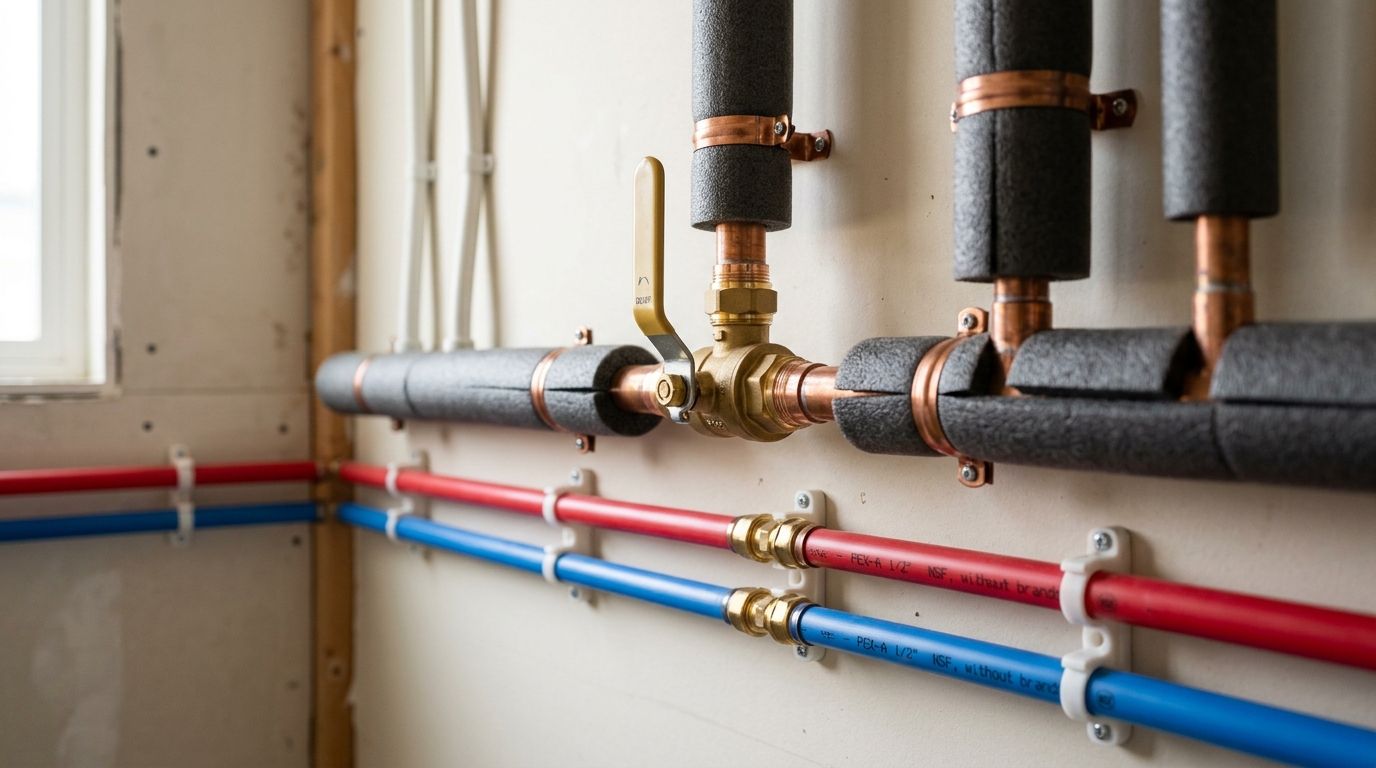
A residential plumbing system operates continuously behind walls, beneath floors, and outside foundation perimeters. Because water lines are subjected to the elements, shifts in weather create specific operational challenges. Sudden temperature drops can cause trapped water to freeze, expand, and split rigid pipes, while the warm summer months bring increased municipal water pressure, heavy irrigation use, and higher household demand. Understanding how to adapt your home’s plumbing care routine between freezing winter conditions and demanding summer periods helps protect your infrastructure throughout the entire year.
Safeguarding Interior Pipes from Sudden Winter Freezes
Freezing temperatures can arrive rapidly, catching homeowners off guard. When water freezes inside a pipe, it expands by approximately nine percent. This expansion exerts tremendous pressure on copper, PEX, and galvanized steel lines, often leading to structural failure at joints or along the pipe walls.
To protect vulnerable indoor plumbing during a hard freeze, focus on thermal barriers and controlled water movement:
- Insulate Exposed Lines: Pipes located in unconditioned spaces—such as basements, crawlspaces, attics, and exterior walls—require physical insulation. Foam pipe sleeves, fiberglass wrap, or rubber insulation tubes help retain ambient heat and delay the onset of freezing.
- Allow Warm Air Circulation: Kitchen and bathroom sink pipes situated against exterior walls are shielded from indoor heating by closed cabinetry. Opening cabinet doors during sub-freezing nights allows warmer household air to reach the supply lines and trap assemblies.
- Maintain a Controlled Drip: Running a slight trickle of water from the faucet furthest from your main water shutoff valve keeps water moving through the system. Moving water takes longer to freeze, and an open tap relieves internal hydrostatic pressure if an ice blockage begins to form elsewhere in the line.
- Seal Drafts Near Plumbing: Cold air infiltration through foundation vents, gaps around electrical conduits, or drafty basement windows can direct sub-freezing air straight onto pipes. Caulk or weatherstrip these gaps to eliminate concentrated cold zones.
Step-by-Step Outdoor Spigot Winterization
Outdoor hose bibbs (sillcocks) are directly exposed to ambient temperatures, making them the most frequent site of freeze-related pipe splits. Even frost-free spigots can fail if garden hoses remain connected during freezing weather.
Follow this systematic process before the first freeze of the season:
- Disconnect and Drain All Hoses: Garden hoses left attached trap residual water inside the spigot barrel. Even on a frost-free fixture, this trapped water cannot drain, which forces ice back into the wall cavity. Disconnect, drain, roll, and store all hoses indoors.
- Locate and Close Interior Isolation Valves: Many homes have dedicated shutoff valves inside the basement or utility area specifically for outdoor lines. Turn this valve clockwise until completely closed.
- Open and Drain the Outdoor Spigot: Head outside and fully open the outdoor tap to let any remaining water escape. Leave the tap in the open position.
- Drain the Interior Bleeder Valve: Return inside to the isolation valve. Many shutoffs feature a small brass bleeder cap on the side. Place a small bucket underneath, unscrew the cap to release remaining water trapped between the inside shutoff and the outside spigot, and then tighten the cap back into place.
- Install Insulated Faucet Covers: Place a foam faucet cover over the exterior fixture to provide an extra layer of thermal defense against wind chill.
Managing High Plumbing Demands in the Summer
As the weather warms, household water consumption typically spikes. Between outdoor watering, frequent laundry loads, multiple daily showers, and warm-weather gatherings, your plumbing system experiences sustained demand.
Inspecting for Post-Winter Leaks
Before launching into heavy summer water usage, inspect your system for hidden winter damage. Minor hairline fractures sustained during the winter may only become apparent when outdoor valves are reopened at full pressure.
- Open outdoor shutoff valves slowly to pressurize exterior lines.
- Inspect the wall around the spigot and inside the basement for any dampness or weeping fittings.
- Monitor your main water meter when no fixtures are active to confirm there are no silent underground or in-wall leaks.
Balancing Summer Appliance and Disposal Loads
Higher summer occupancy and outdoor entertaining put added stress on drainage systems:
- Stagger Heavy Appliance Usage: Running a washing machine, dishwasher, and irrigation system simultaneously can drop household water pressure and stress supply lines. Spacing out cycles maintains balanced water pressure throughout the home.
- Kitchen Disposal Best Practices: Summer meals often include fibrous vegetables, corn husks, fruit rinds, and cooking oils. Avoid putting fibrous or starchy food waste down the disposal, and never pour grease down the drain. Always run cold water before, during, and after operating the disposal to help clear solids through the trap.
- Sewer Line Roots: Warm weather and dry soil encourage tree roots to seek moisture inside underground sewer pipes. If multiple drains in your home slow down at once, have the main drain line visually inspected rather than relying on harsh chemical drain cleaners.
Year-Round Main Shutoff Awareness
Whether facing an unexpected winter pipe burst or a major summer fixture failure, every member of the household should know the exact location of the main water shutoff valve. Verify that the valve turns smoothly, label it clearly, and keep the immediate area free of clutter so you can act immediately in any plumbing situation.