
Water Heater Solutions
New Water Heater Making a Hissing Sound? What Is Normal and What to Check
A practical guide for Jefferson City homeowners sorting out new water heater noises, safety checks, and next steps.
September 28, 2026
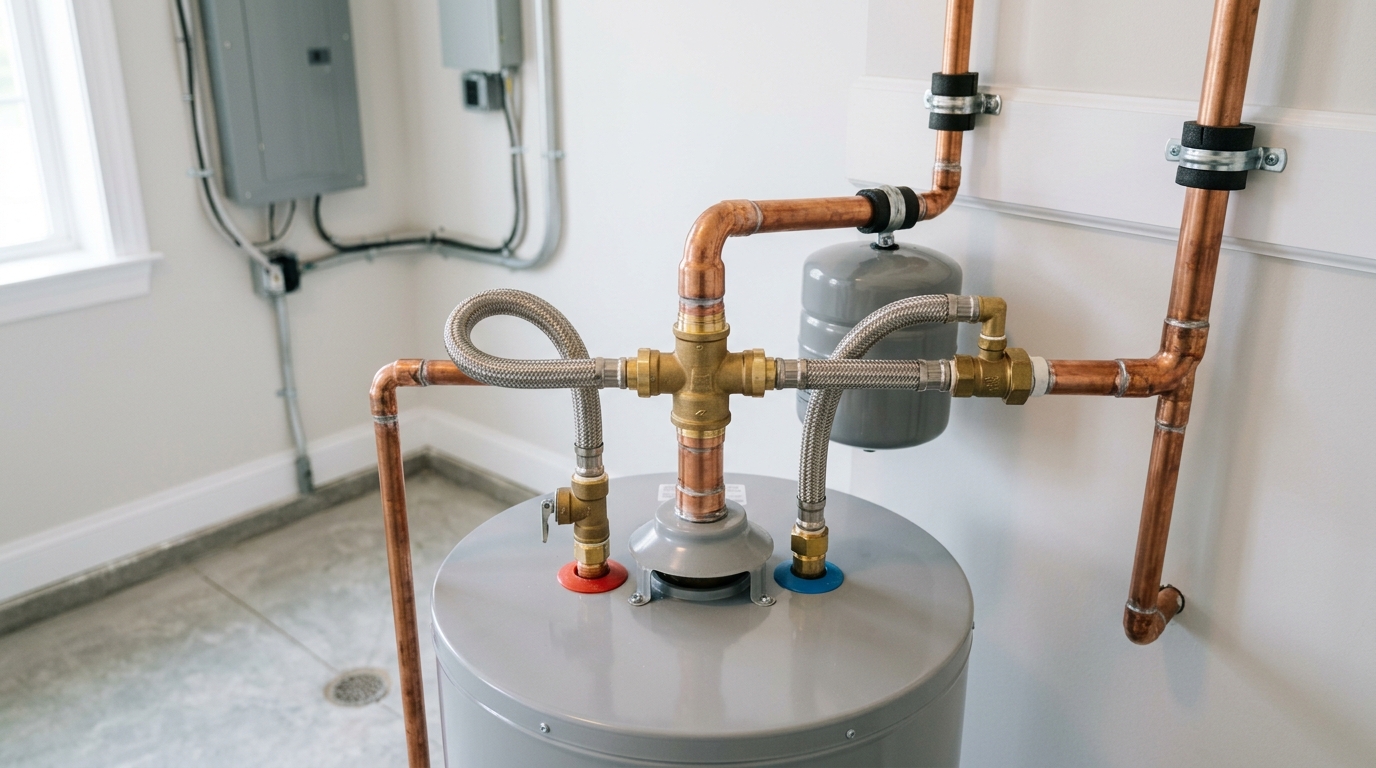
Is it normal for a brand-new water heater to make hissing sounds the first few days?
Yes, it can be completely normal. When a new water heater is set up, small pockets of air get trapped inside the plumbing lines and the tank. As fresh water fills the system and heats up, that trapped air slowly pushes its way out through the pipes, which can cause a light hissing or sizzling sound for the first day or two. However, a hissing sound that continues past the first few days, grows noticeably louder, or is paired with moisture is not normal and means something needs attention.
Investing in a new water heater should bring peace of mind and steady hot water to your home, so hearing unexpected sounds right after installation can feel unsettling. Fortunately, understanding why these sounds happen—and knowing how to perform a few simple, safe visual checks—can help you determine whether your system is simply settling in or if a fitting needs a professional adjustment.
Why Water Heaters Hiss in the First Place
To tell whether a noise is harmless or a warning sign, it helps to understand the common reasons a newly installed water heater might make a hissing noise:
- Air Purging from Lines: As water fills an empty tank and runs through new fittings, air bubbles get displaced. When water heats up, microscopic air pockets expand and vent through lines, creating a soft hiss.
- Normal Condensation: On gas water heaters, filling a cold tank with cold ground water creates condensation on the outside of the internal tank surfaces. As the burner fires, drops of moisture fall onto the hot burner plate and sizzle or hiss like water on a hot skillet. This stops once the entire tank of water warms up.
- Thermal Expansion: As water heats, it expands. If your plumbing system does not have an expansion tank or if line pressure fluctuates, the pressure can cause slight whistling or hissing sounds through pressure-regulating components.
- A Small Leak at a Connection: If a threaded pipe fitting, flexible water line, or valve did not seal fully, fine streams of pressurized water or escaping air can create a continuous hissing sound.
Safe Homeowner Checks You Can Do Yourself
You do not need specialized plumbing tools to inspect your new water heater. You can safely assess the situation using just your eyes, your ears, and a dry paper towel. Here is what to check step-by-step:
1. Listen Closely to Pinpoint the Location
Stand near the unit in a quiet room and listen carefully. Try to locate exactly where the sound is coming from:
- Is it coming from the top of the tank near the hot and cold water pipe connections?
- Is it coming from the side where the temperature and pressure (T&P) relief valve is located?
- Is it coming from the very bottom of the tank near the burner chamber (on gas units) or the lower access panel (on electric units)?
2. Check for Dampness Around Connections
Take a dry paper towel and gently touch it around the threaded fittings at the top of the tank (the cold water inlet and hot water outlet nipples). Also dab around the base of the T&P relief valve and the drain valve at the bottom of the tank. If the paper towel comes away with even a small drop of moisture, you have located a joint that is weeping water under pressure, which often causes a distinct hissing sound.
3. Inspect the Relief Valve Discharge Pipe
Every water heater has a safety device called a temperature and pressure relief valve, which has a pipe running down toward the floor or drain pan. Look at the end of this pipe. It should be completely dry. If you hear hissing and see water dripping from this tube, the valve may be actively releasing excess pressure or may not be seated properly.
What NOT to Do During Your Check
Your safety is always the top priority. While inspecting your water heater, keep these safety precautions in mind:
- Do not remove electrical access panels or touch any wiring on an electric water heater.
- Do not try to tighten plumbing fittings with heavy wrenches if you are unsure of the torque requirements, as over-tightening can crack brass valves or damage tank linings.
- If you have a gas water heater and smell rotten eggs or suspect escaping natural gas or propane, do not inspect the unit. Leave the area and shut off the main gas supply line if safe to do so.
When to Call a Professional Plumber
If the hissing noise lasts longer than 48 hours, if the sound grows louder over time, or if you find any dampness around the connections, it is time to have a professional plumber inspect the system. A qualified installer can verify that every threaded connection is sealed with the correct thread sealant, check that water pressure is within manufacturer specifications, test safety valves, and ensure the heating elements or burners are operating smoothly.
Getting a new installation right—and fixing it fast if something seems off—is exactly what The Drain Man Plumbing stands behind with our water heater installation service. A brand-new system should run quietly, efficiently, and reliably from day one, and you should never have to wonder whether a strange sound is safe to ignore.
Connect with The Drain Man Plumbing in Jefferson City
If your newly installed water heater is hissing, dripping, or acting up, let an experienced local technician take a look. Contact The Drain Man Plumbing today by calling our Jefferson City office directly or by submitting a service request through our website to schedule a fast, friendly inspection for your home.