
General Plumbing Repair
Is Hard Water Damaging Your Pipes and Appliances Over Time?
Discover how mineral buildup affects your plumbing system and how a thorough inspection helps protect your home.
August 13, 2026
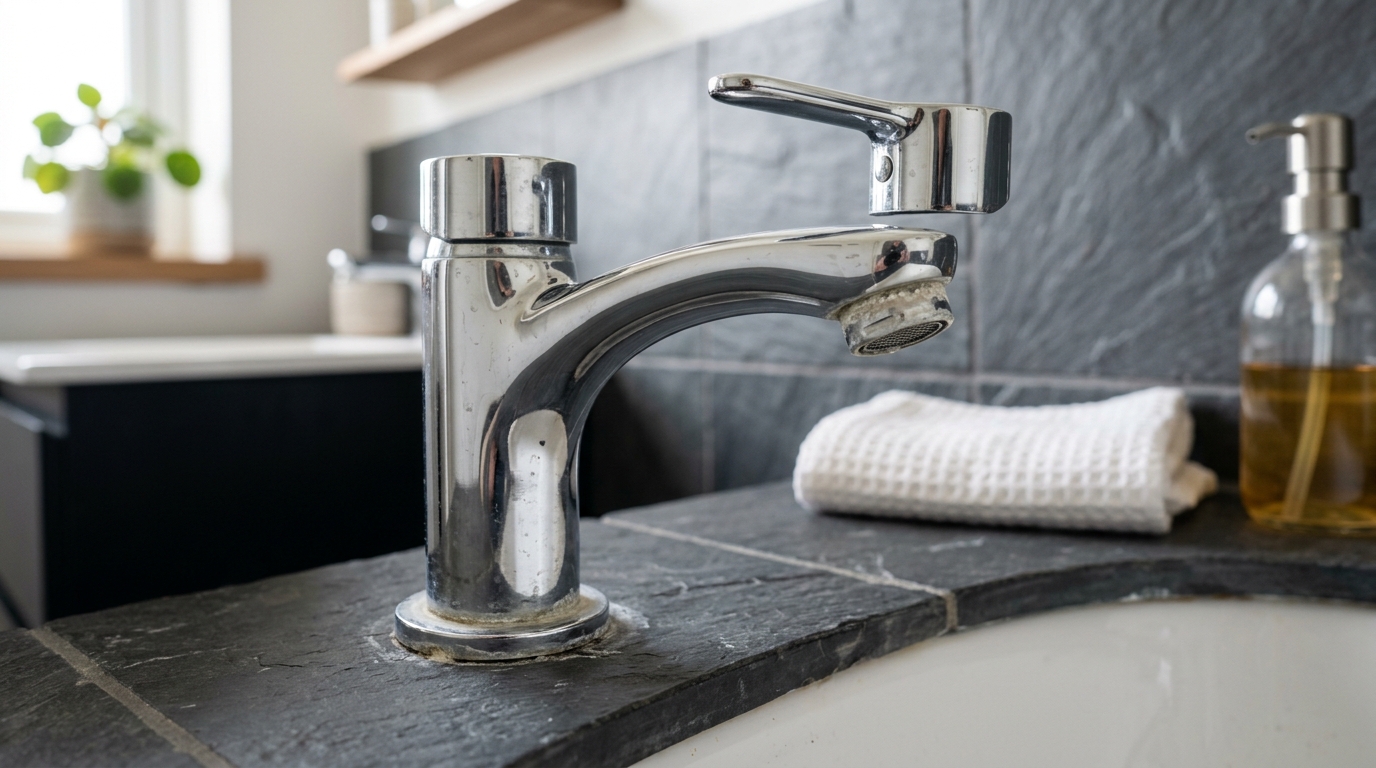
Can hard water actually damage my pipes and appliances over time?
Yes, it really can. Hard water contains high amounts of dissolved minerals, mainly calcium and magnesium. Every time water runs through your home, tiny bits of these minerals stick to the inside surfaces of your supply pipes, water heater, dishwasher, and washing machine. Over time, this mineral layer gets thicker and thicker, gradually narrowing the space water has to travel through. Inside water heaters and appliances, the hard mineral coating acts like a barrier over heating elements and moving parts. This forces your equipment to work much harder to do its job, driving up wear and tear and causing expensive appliances to wear out years earlier than expected.
Common Signs of Hard Water in Your Household
Because hard water works slowly behind walls and inside appliances, its effects often go unnoticed until a fixture begins to fail or water flow drops. However, there are visible clues throughout your home that can tell you mineral deposits are actively building up:
- White, chalky residue on fixtures: If you frequently see crusty white or light gray buildup around the base of faucets, on showerheads, or around drain rims, you are looking at limescale deposits left behind as hard water evaporates.
- Reduced flow from showerheads and aerators: When minerals settle inside tiny faucet aerator screens and showerhead nozzles, they create partial blockages that reduce water stream volume.
- Film on glassware and dishes: Hard water prevents soap from rinsing cleanly, leaving a cloudy film or gritty spots on freshly washed dishes and shower doors.
- Premature appliance problems: If your dishwasher, ice maker, or washing machine requires frequent repairs, struggles to fill, or fails earlier than its expected lifespan, mineral accumulation within internal valves, pumps, and hoses may be the culprit.
- Popping or rumbling noises from the water heater: As sediment settles to the bottom of a water heater tank, trapped water beneath the mineral layer boils and creates noticeable popping or knocking sounds.
How Mineral Buildup Harms Your Plumbing System
Hard water is not a health risk, but it is one of the most common causes of long-term mechanical stress on residential plumbing. Understanding how it interacts with different components can help you take preventative action before major failures happen.
Piping and Water Supply Lines
As calcium and magnesium adhere to the inner walls of your supply pipes, the internal diameter of the pipe shrinks. This constriction restricts water volume throughout your home and increases friction against pipe walls. Over extended periods, heavy scale accumulation can make older metallic pipes more prone to localized corrosion and pressure imbalances.
Water Heaters
Your water heater is especially vulnerable to hard water. When water is heated, minerals separate from the liquid and settle directly onto heating elements or accumulate at the bottom of the tank. This layer of scale insulates the water from the heat source. In response, the system must run longer and hotter to reach the set temperature, accelerating tank fatigue, stressing heating elements, and shortening the operating life of the unit.
Washing Machines and Dishwashers
Modern home appliances rely on precise solenoid valves, delicate rubber seals, and small spray jets. Mineral scale can coat intake valves so they fail to close completely, clog spray arms, and create friction inside drain pumps. This extra strain leads to unexpected breakdowns and reduced cleaning performance.
What a Professional Plumbing Evaluation Can Tell You
Because most of your plumbing system is hidden from view, it is difficult to know how much mineral buildup has accumulated just by looking at your faucets. A professional plumbing evaluation provides a clear, comprehensive picture of your home's current condition.
During an evaluation, an experienced plumber examines several critical areas:
- Water Heater Condition: Checking for sediment accumulation, inspecting the condition of the sacrificial anode rod, testing heating element performance, and verifying temperature and pressure relief valve operation.
- Fixture and Valve Function: Inspecting main shutoff valves, supply stops, and fixture aerators for mineral restriction, corrosion, or mechanical binding.
- Supply Line Integrity: Examining visible piping runs, joints, and appliance supply lines for signs of scale-induced stress or slow seepage.
- Static Water Pressure: Testing home water pressure to ensure it falls within safe operating parameters, as high pressure combined with restricted pipes accelerates fixture wear.
Schedule Your Assessment with The Drain Man Plumbing
A comprehensive whole-home assessment is a key part of the general plumbing services provided by The Drain Man Plumbing. Whether you have noticed persistent chalky buildup on your faucets, want to verify the health of your water heater, or simply want an honest evaluation of your home's plumbing system, our team is here to help homeowners in Jefferson City, Tennessee, and surrounding communities.
To schedule a thorough plumbing evaluation for your home, reach out to The Drain Man Plumbing by phone or submit a service inquiry through our website today.