
Water Quality & Hard Water
How Hard Water Affects Tennessee Homes and What You Can Do About It
Learn how regional mineral buildup impacts your plumbing fixtures, reduces appliance lifespan, and how whole-home water softening can help.
September 1, 2026
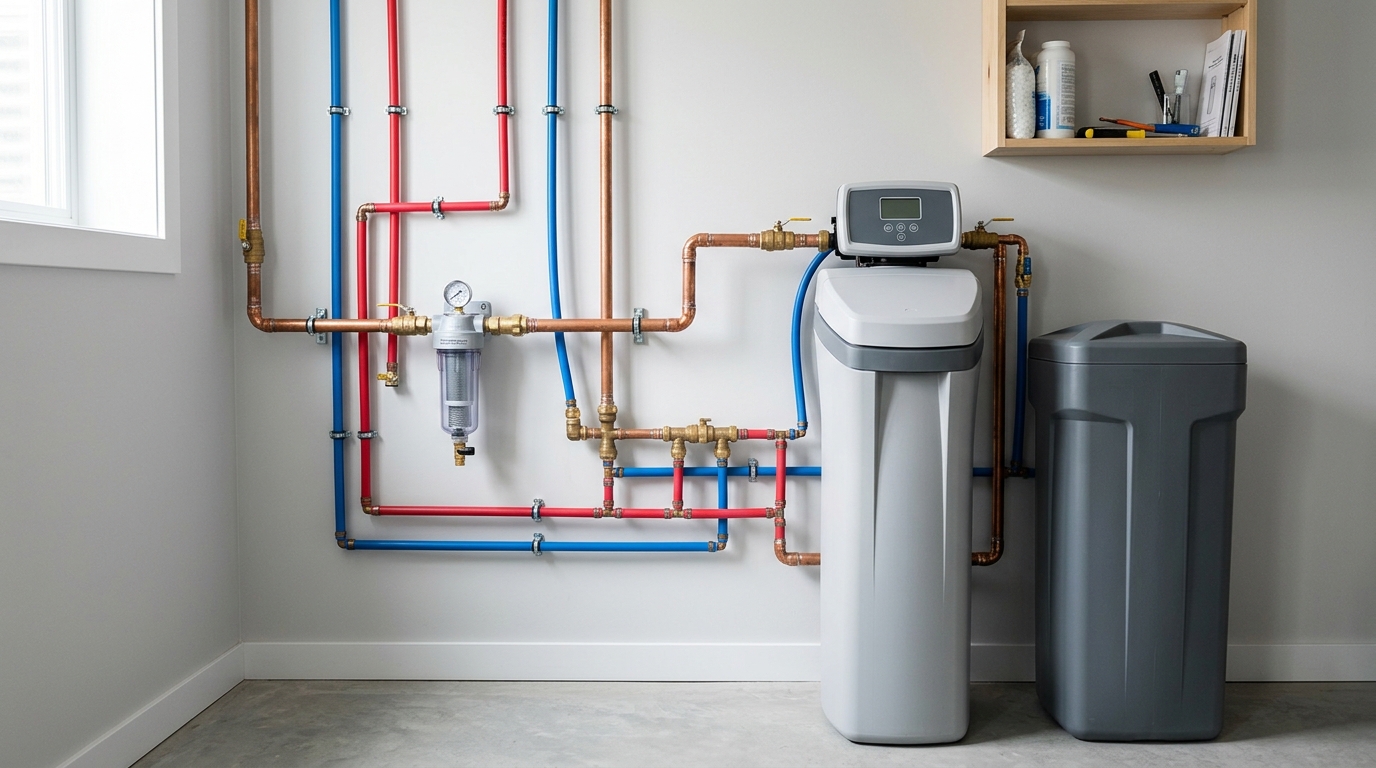
Across much of Tennessee, homeowners share a common plumbing challenge: hard water. The region’s underlying geology is rich in limestone and dolomite bedrock, which naturally dissolves calcium and magnesium into underground aquifers and municipal water supplies. While these minerals do not pose a direct health hazard when consumed, they can wreak havoc on residential plumbing infrastructure, bathroom fixtures, and everyday household appliances.
Over time, the dissolved minerals in hard water precipitate out of the liquid, creating a chalky, crusty residue known as limescale. If left unchecked, this mineral buildup steadily narrows pipe diameters, degrades heating elements, and reduces household water flow. Recognizing the signs of hard water and understanding how water conditioning systems work is essential for preserving your home’s plumbing network.
Recognizing the Signs of Hard Water in Your Household
Hard water rarely creates an instant plumbing disaster. Instead, it causes gradual wear and cosmetic nuisances that build over months and years. Some of the most common everyday indicators of hard water include:
- Chalky white crust on faucets: Mineral scale often forms around faucet aerators, showerheads, and drain rings, leaving a stubborn, chalky ring that is difficult to wipe away with standard cleaners.
- Spotty glassware and dishes: When dishwashers wash and dry with hard water, minerals stay behind after evaporation, resulting in cloudy glasses and residue on silverware.
- Soap scum and poor lathering: Calcium and magnesium bind with soaps and detergents, preventing them from lathering properly and leaving a persistent film on shower walls, bathtubs, and sinks.
- Stiff laundry and faded fabrics: Clothes washed in mineral-heavy water often feel scratchy, look dull, and wear out faster as mineral deposits latch onto fabric fibers.
- Dry skin and hair: Mineral residue on the skin can strip natural moisture and leave a film that clogs pores, making skin feel dry or irritated after bathing.
The Impact of Mineral Scale on Plumbing Appliances
While cosmetic problems are frustrating, the most expensive consequences of hard water happen hidden inside your appliances. Water-using equipment continuously heats, circulates, or stores water, accelerating the rate at which minerals separate and bond to internal metal surfaces.
Water Heaters
Whether you have a traditional tank-style water heater or a modern tankless unit, hard water is one of the primary causes of premature heating component failure. In tank water heaters, dissolved calcium settles to the bottom of the tank, forming a thick barrier of sediment between the burner or electric element and the water. This forces the unit to run longer and hotter to achieve the set temperature, increasing energy consumption and accelerating tank fatigue. In tankless water heaters, scale coats the narrow channels of the heat exchanger, triggering overheating errors and restricting flow.
Dishwashers and Washing Machines
Internal pumps, valves, and heating coils inside washing machines and dishwashers gather mineral scale over regular cycles. Scale buildup on spray arms can block water jets, leaving dishes dirty. In washing machines, limescale can cause internal solenoid valves to stick open or closed and wear down drum bearings ahead of schedule.
How Hard Water Restricts Water Pressure
As hard water flows through your home, limescale attaches to the inner walls of supply piping. Over extended periods, this scale layer thickens, reducing the interior diameter of the pipe in a process similar to arterial plaque buildup.
This narrowing restricts the volume of water that can pass through the system at any given moment, resulting in a noticeable drop in water pressure at showers, sinks, and outdoor hose bibbs. In addition, loose mineral flakes can travel downstream and lodge directly behind faucet aerators, showerhead filters, and appliance inlet screens, choking off water flow entirely until physically cleared.
How a Whole-Home Water Softener Works
A whole-home water softener is an integrated treatment system installed where the main water line enters the house. It addresses hard water by eliminating calcium and magnesium before the water travels to individual fixtures or appliances.
Most residential systems use a process known as ion exchange:
- The Resin Tank: Hard water enters a tank filled with thousands of tiny, negatively charged polystyrene resin beads. These beads are pre-charged with sodium or potassium ions.
- The Ion Exchange: Because calcium and magnesium ions carry a stronger positive charge than sodium or potassium, they attach firmly to the resin beads as water passes through, releasing a harmless, equivalent amount of sodium or potassium into the water stream.
- The Softened Water: The water exiting the tank is conditioned and free of scale-forming minerals, ready for use throughout the entire home.
- The Regeneration Cycle: Periodically, the system flushes the resin bed with a concentrated brine solution from an adjacent salt storage tank. This wash strips away the accumulated calcium and magnesium, sends them down the drain, and recharges the resin beads for the next operating cycle.
Benefits of Installing a Whole-Home Water Softener
Transitioning from hard water to conditioned water provides immediate and long-term advantages for homeowners:
- Longer Appliance Lifespans: Water heaters, dishwashers, and washing machines operate without mineral resistance, maintaining design efficiency and lasting years longer.
- Lower Utility and Soap Costs: Without sediment insulating heating elements, water heaters use less energy. Furthermore, conditioned water allows soaps and detergents to lather easily, reducing the amount of cleaning product required for laundry, dishes, and bathing.
- Protected Pipe Infrastructure: Preventing scale buildup preserves full water flow and pressure throughout the home while reducing the risk of internal corrosion.
- Easier Cleaning: Bathrooms and kitchens stay cleaner longer without persistent soap scum rings, hard water spots, or chalky mineral rings on fixtures.
Maintaining Your Home’s Water Quality
If you suspect hard water in your home, consider testing your water hardness with a simple test kit or consulting a qualified plumbing professional to determine your grains per gallon (GPG) rating. For homes already equipped with a water softener, maintaining the system is straightforward: check the brine tank monthly to ensure adequate salt levels, break up any salt bridges that form, and flush your water heater tank annually to remove any residual sediment.