
Drain Cleaning
A Homeowner's Guide to Preventing Bathroom Shower and Sink Clogs
Simple, repeatable maintenance habits to keep your bathroom plumbing flowing freely without harsh chemicals.
September 1, 2026
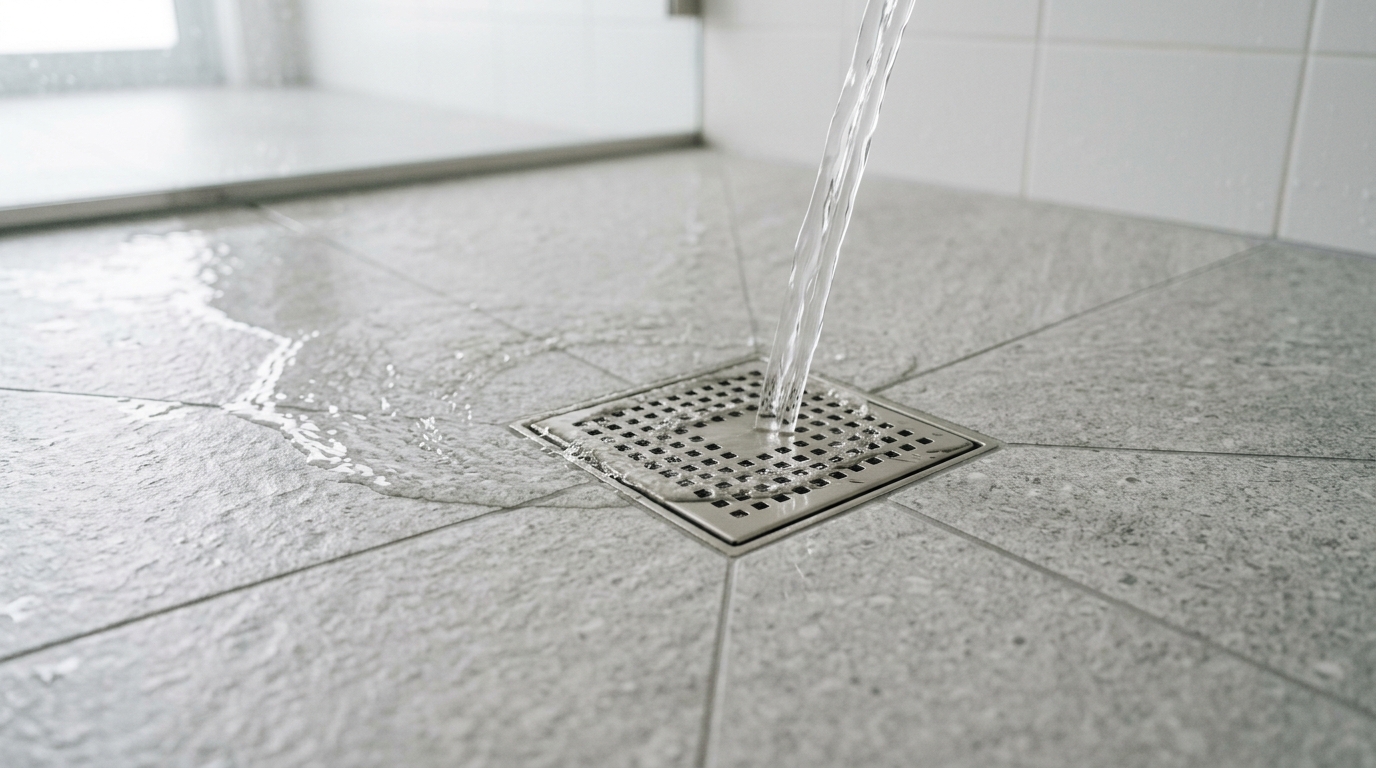
Bathroom drains handle a demanding mix of daily materials: loose hair, soap scum, shaving cream, toothpaste, and bath oils. Over time, these substances bind together inside pipes, narrowing the passage until water begins to pool around your ankles in the shower or fill the sink basin. Addressing slow drainage before it becomes a complete blockage saves time, protects your plumbing fixtures, and prevents the frustration of standing water.
By establishing a few consistent preventive habits and understanding how bathroom wastewater moves through your home, you can keep your shower and sink drains clear. Here is a practical, step-by-step approach to bathroom drain care designed for every homeowner.
Why Bathroom Drains Clog More Frequently Than Others
Unlike kitchen drains, which primarily contend with food solids and cooking grease, bathroom drains face a unique combination of binding agents and fibrous material. Human hair easily snags on rough pipe edges, drain crossbars, and mechanical stopper mechanisms. Once caught, hair acts as a net, capturing soap curd, dead skin cells, conditioner resins, and viscous toothpastes.
This mixture gradually forms a solid, water-resistant mass known as a sludge matrix. Because bathroom sink and shower lines operate under standard gravity flow rather than pressurized force, even moderate internal buildup creates friction that slows drainage noticeably.
The Core Strategy: Physical Hair Catchers
The single most effective preventive step in any bathroom is stopping hair from entering the pipe opening in the first place.
Shower and Tub Drains
Install a dedicated hair catcher over or inside the drain opening. Multiple designs exist to fit different drain styles:
- Drop-in silicone or stainless steel strainers: Ideal for standard flat-grid shower drains. They rest directly over the grate and catch strands before they pass through the holes.
- Cylinder-style catchers: Designed for removable open drains, these sit inside the pipe throat and wrap hair around a central core without restricting water flow.
- Tub stopper covers: Fit securely over pop-up or lift-and-turn tub mechanisms to capture hair while allowing water to pass around the perimeter.
Bathroom Sink Drains
Bathroom sinks typically feature a built-in pop-up stopper. The pivot rod and clevis mechanism beneath the stopper create a natural catching point for hair. Replacing a standard open-post stopper with a strainer-integrated pop-up plug provides a primary line of defense against both hair and dropped personal items like jewelry or small caps.
Weekly and Monthly Maintenance Routines
Consistent maintenance prevents thin films of residue from hardening into stubborn clogs.
The Weekly Hair Clear
Make it a rule to empty hair strainers after every shower or at least once per week. Allowing hair to sit in a strainer leads to soap accumulation that eventually pushes loose strands downward under the weight of draining water.
The Bi-Weekly Hot Water Flush
Every two weeks, run very hot tap water through your shower and bathroom sink drains for two to three minutes. This simple practice helps liquefy semi-solid soap bases, body oils, and hair conditioning agents, carrying them out into the main sewer line before they cool and adhere to the pipe interior.
Monthly Mechanical Clearing
Once a month, inspect the visible portion of your drains:
- Remove the sink stopper or shower drain cover plate using a standard screwdriver if necessary.
- Use an inexpensive, flexible plastic drain-cleaning tool (often called a zip tool) to hook any hair clinging to the upper 6 to 12 inches of the drain throat.
- Rinse the stopper assembly thoroughly in warm water to clear soap film before reinstalling it.
Mindful Product Usage in the Bathroom
The personal care products you choose and how you rinse them away directly affect your pipe health.
- Bar Soaps vs. Liquid Washes: Traditional bar soaps often contain animal fats or vegetable oils blended with alkaline salts (tallowates or cocoates). These ingredients react with minerals in water to form insoluble soap scum. Liquid body washes and gel cleansers dissolve more completely and leave less residue on pipe walls.
- Thick Conditioners and Hair Masks: Heavy conditioning treatments and hair oils coat the inside of PVC and cast iron pipes. Always follow a deep-conditioning treatment with a steady flow of hot water to rinse the residual product completely down the line.
- Toothpaste and Shaving Cream: Toothpaste paste, especially whitening formulas containing silica, settles quickly in horizontal drain runs. Avoid spitting thick paste directly over a dry drain; run the faucet briefly before and after brushing to dilute the paste.
What to Avoid: The Hidden Risks of Chemical Cleaners
When drains begin to slow, many homeowners reach for commercial caustic or acid-based chemical drain cleaners. Plumbing professionals generally advise against this for several reasons:
- Pipe Deterioration: Caustic chemicals generate intense heat through exothermic reactions. This heat can soften or warp PVC piping and degrade the rubber seals within slip joints. In older homes, these chemicals can accelerate the corrosion of cast iron and galvanized steel pipes.
- Incomplete Clearing: Liquid chemicals often burn a small hole through the center of a clog rather than clearing the full diameter of the pipe, leading to another blockage shortly after.
- Safety Hazards: Chemical residue remains in the trap. If the line remains blocked, plunging or snaking can splash caustic liquid onto skin, eyes, or bathroom surfaces.
When to Seek Professional Inspection
If you practice routine maintenance but experience recurring slow drains, gurgling noises from nearby fixtures, or persistent sewer odors, the issue may lie deeper in your home's drainage or venting system. A thorough inspection can identify localized mineral scale, root intrusion, or venting restrictions that require mechanical snaking or hydro-jetting to resolve safely.