
Leak Detection & Prevention
A Homeowner's Guide to Finding Hidden Leaks and Managing Water Bill Spikes
Learn how to spot concealed water leaks, verify unexpected bill increases using your water meter, and set up an annual plumbing check.
September 1, 2026
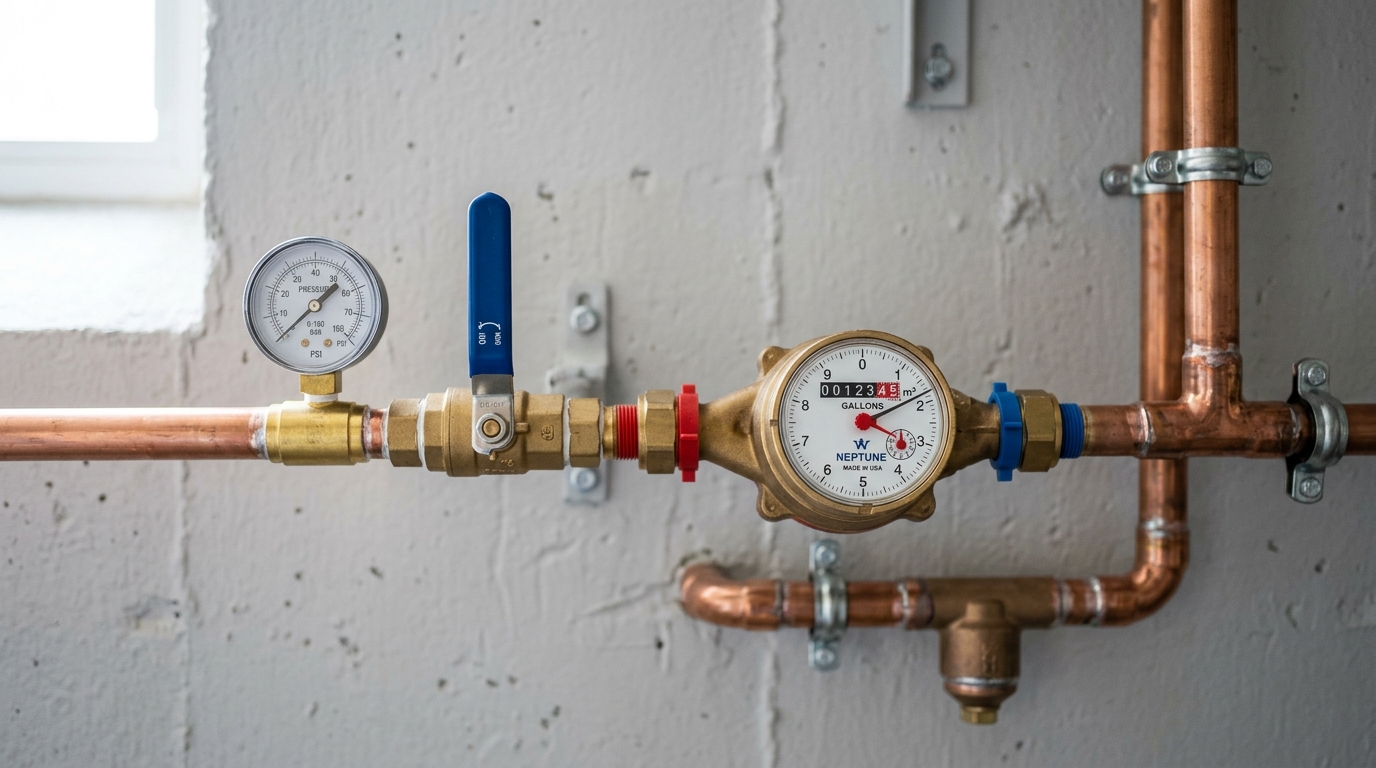
A sudden, unexplained jump in your monthly water bill is often the first indication of a plumbing issue hidden beneath floors, behind drywall, or under the lawn. Because supply pipes operate under continuous pressure, even a pinhole leak or a misaligned toilet flapper can quietly waste significant volumes of water over time.
Understanding how to systematically inspect your plumbing system allows you to isolate issues early, minimize unnecessary utility expenses, and preserve the structural integrity of your home. This guide breaks down the process of identifying concealed leaks, interpreting billing anomalies, and performing routine annual leak inspections.
Why Water Bills Spike Unexpectedly
When utility rates have not changed and household water habits remain steady, a billing spike almost always points to continuous, uncontrolled water flow. Common culprits range from simple fixture malfunctions to pressurized underground line breaks.
- Running Toilets: A worn flapper, improperly adjusted float, or cracked fill valve can allow water to cycle continuously into the overflow tube without making noticeable splashing sounds.
- Underground Supply Line Leaks: The main service line connecting your municipal meter to the home can develop cracks due to ground shifting, tree root intrusion, or pipe material degradation.
- Dripping Fixtures and Outdoor Bibbs: Exterior hose bibbs subjected to freezing temperatures or worn interior washers can lose gallons daily, often disguised when hoses remain attached.
- Water Heater Relief Valves: Temperature and pressure relief (T&P) valves can stick open or fail, continuously discharging water down the drain pipe unnoticed.
The Water Meter Test: Confirming an Active Leak
Before searching individual fixtures, you can confirm whether water is actively flowing somewhere in the system using your residential water meter.
Step-by-Step Meter Inspection
- Turn Off All Indoor and Outdoor Water: Ensure washing machines, dishwashers, ice makers, and automated irrigation controllers are completely shut down. Avoid flushing toilets or using sinks during the test.
- Locate the Water Meter: Water meters are typically housed in an exterior ground box near the street or sidewalk, or in a basement or utility room in colder regions.
- Observe the Leak Indicator: Most modern meters have a low-flow indicator—often a small red, blue, or silver triangular or star-shaped dial that spins with even minimal water movement. If this dial is spinning while all fixtures are off, water is leaving the system.
- Conduct a Time-Based Check: If your meter has a digital display or sweep hand without a low-flow indicator, record the exact reading. Leave the water off for two hours, then recheck the reading. Any change indicates a leak.
Pinpointing Hidden Leaks in the Home
Once you confirm water is escaping the system, use a targeted elimination process to identify the source.
1. The Toilet Dye Test
Toilets are the most common source of residential water loss. Remove the tank lid and add several drops of dark food coloring or a leak detection tablet into the tank water. Do not flush. Wait 15 to 30 minutes. If colored water appears in the bowl, the flapper or seal is failing and requires replacement.
2. Cabinet Bases and Under-Sink Traps
Inspect the cabinets beneath kitchen and bathroom sinks using a flashlight. Check for dampness on the baseboards, corrosion around shut-off valves, and mineral buildup on flexible supply lines. Run your hand along the supply lines to detect slow weeping that may not pool immediately.
3. Signs of Hidden Wall and Slab Leaks
Leaks within enclosed structural spaces exhibit distinct physical warning signs:
- Localized Warm Spots: A hot-water line leaking beneath a concrete slab often creates noticeable warm sections on tile or laminate flooring.
- Musty Odors and Humidity: Unexplained damp smells in specific rooms, closets, or hallways often suggest moisture buildup behind baseboards or wallboard.
- Audible Hissing or Dripping: With all fixtures off, listen closely near walls that house primary plumbing stacks. A steady hissing sound often indicates a pressurized pinhole leak.
- Wall Texture Changes: Look for bubbling paint, warped baseboards, or peeling wallpaper that cannot be attributed to surface condensation.
4. Outdoor and Irrigation Inspections
Walk the perimeter of your home and inspect exterior hose spigots for drips. Check your lawn for soft, spongy patches or areas of grass that appear noticeably greener or faster-growing than surrounding turf, which often indicates a cracked underground sprinkler line or main service line.
Building an Annual Leak Detection Routine
Proactive maintenance catches minor component wear before it turns into an expensive structural repair. Perform these checks once every twelve months:
- Test Water Pressure: Attach a standard pressure gauge to an exterior hose bibb or laundry hookup. Normal residential water pressure should consistently read between 40 and 80 PSI. Pressure exceeding 80 PSI stresses joints, seals, and appliance valves, significantly increasing the likelihood of leaks.
- Operate Shut-Off Valves: Turn the primary water shut-off valve and all individual fixture valves off and on once a year to prevent mineral scale from seizing the handles.
- Inspect Appliance Hoses: Check rubber washing machine hoses and braided steel dishwasher lines for bulging, cracking, or surface corrosion. Rubber hoses should generally be replaced on a regular maintenance cycle.
- Service Water Heating Equipment: Inspect the tank base for moisture, verify that the drain valve is fully closed, and visually inspect the discharge pipe connected to the T&P valve for dampness.
When to Schedule Professional Leak Detection
If your water meter indicates continuous flow but visual inspections of fixtures, toilets, and appliances reveal no source, the leak is likely buried within walls, underneath the foundation, or deep in the yard. Professional plumbers use specialized non-invasive diagnostic tools, such as acoustic listening discs, thermal imaging cameras, and pipe pressure testing, to accurately locate the source without unnecessary disruption to your home's structure.