
General Plumbing Repair
How Galvanized Pipes Impact Water Quality (And When to Repipe)
Learn how aging galvanized steel plumbing affects your household water and how to identify when it is time for a full home repipe.
October 7, 2026
Are older galvanized pipes quietly compromising the safety, clarity, and pressure of your home's water supply?
For many historic properties and older builds across East Tennessee, galvanized steel was once the standard material for residential water distribution lines. While these heavy-duty pipes were built to last for decades, they have a finite lifespan. Over time, internal corrosion gradually degrades water quality and restricts flow throughout the home. Understanding the mechanisms behind this deterioration helps homeowners identify when minor repairs are no longer sufficient and a full repipe is required.
How Do Aging Galvanized Pipes Affect Your Water Quality?
Galvanized pipes are steel pipes coated in a protective layer of zinc to prevent rust. However, decades of constant contact with water gradually wear away this protective barrier. Once the zinc layer erodes, the underlying iron begins to oxidize and deteriorate from the inside out.
This internal degradation impacts your household water in several direct ways:
- Discolored Water: As internal rust builds up, it flakes off into the water stream. This often produces rusty, brown, or yellowish water, especially after the plumbing has been sitting unused overnight or after a trip away from home.
- Metallic Odor and Taste: Oxidized iron and mineral deposits infuse the water with a distinct metallic taste and unpleasant smell, making tap water unappealing for drinking and cooking.
- Sediment and Debris: Flaking corrosion creates particulate matter that can clog faucet aerators, showerheads, and appliance intake valves, including those for washing machines and water heaters.
- Potential Contaminant Accumulation: Older galvanized coatings applied before modern manufacturing standards often contained trace impurities, including lead. Over decades of service, mineral scale inside the pipes can capture and later release these impurities into the flow of water.
When Is It Time to Consider a Full Home Repipe?
Because galvanized pipes corrode internally, the exterior of the pipe can appear intact even when the interior diameter is severely restricted or structurally compromised. Homeowners should evaluate a whole-home repipe when several key warning signs appear:
- Chronic Low Water Pressure: As rust accumulates inside the pipe walls—a process known as tuberculation—the interior opening narrows significantly. If multiple fixtures suffer from low volume and pressure simultaneously, internal pipe constriction is usually the cause.
- Frequent Pinhole Leaks: Rust eventually eats entirely through the pipe walls, causing pinhole leaks behind drywall, beneath flooring, or inside crawlspaces. When one leak appears in an aging galvanized system, adjacent sections are typically in a similar state of decay.
- Visible External Rust and Flaking: Inspecting exposed pipes in basements, crawlspaces, or utility rooms for bubbling paint, rust stains, or crusty white mineral buildup at the joints indicates advanced failure.
- Diminishing Returns on Spot Repairs: Connecting modern copper or PEX lines directly to old galvanized steel without proper dielectric fittings causes rapid galvanic corrosion. If you find yourself repeatedly repairing isolated sections, a complete upgrade is far more cost-effective over time.
Modern Repiping Materials: What Are the Alternatives?
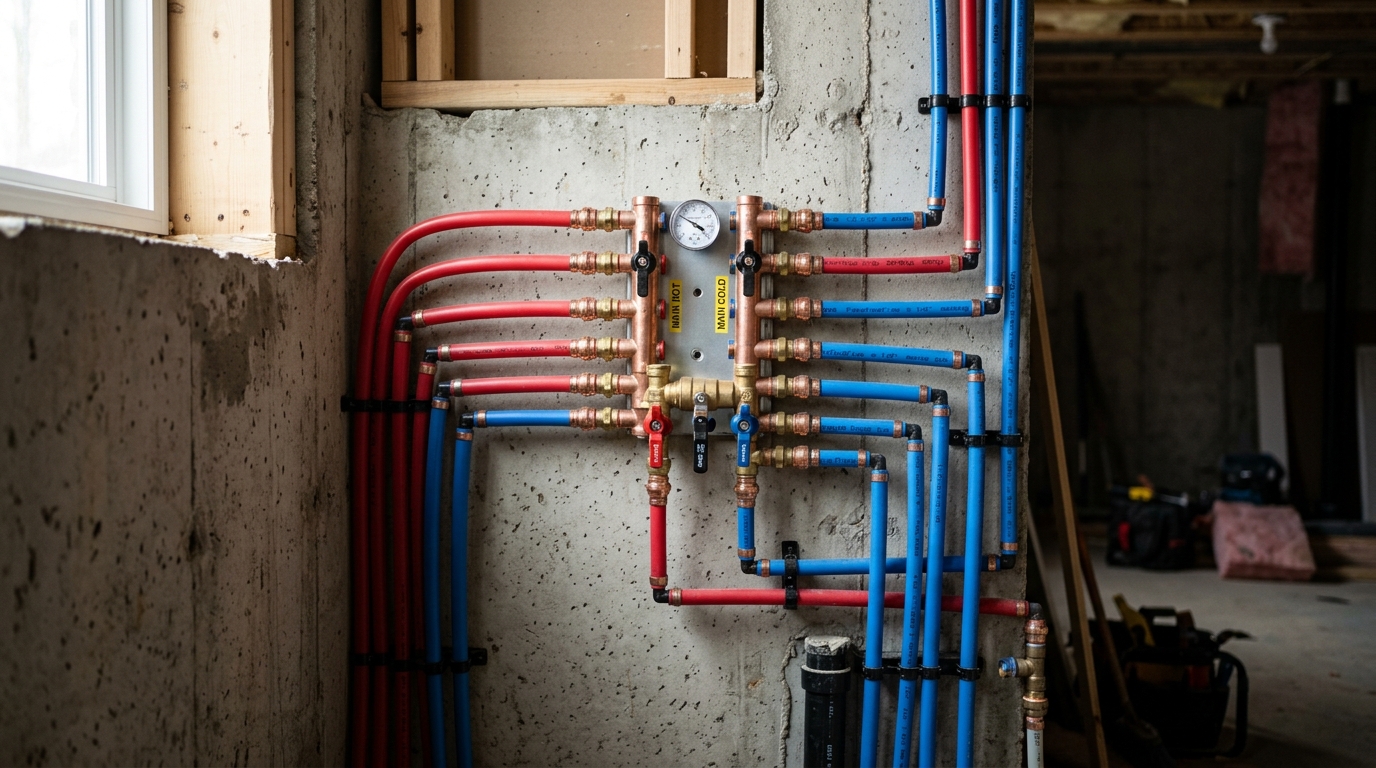
Replacing galvanized plumbing typically involves updating the distribution system to modern materials such as cross-linked polyethylene (PEX) or copper. PEX offers flexibility, corrosion resistance, and reduced installation time, while copper provides exceptional durability and rigid structural strength. Both options eliminate the rust, sediment, and constriction risks inherent to aging steel lines, restoring clean water delivery and balanced pressure throughout the residence.
How The Drain Man Can Help You Find the Right Solution
Evaluating the health of concealed plumbing requires experienced eyes and the right diagnostic tools. The Drain Man can help homeowners answer these critical questions by conducting thorough plumbing inspections, assessing water flow performance, and providing clear, practical recommendations on whether targeted maintenance or a full home repipe is the safest choice for your home.
If your home still relies on aging galvanized lines, contact The Drain Man today to schedule a comprehensive residential plumbing evaluation.