
Tennessee Seasonal Plumbing
Spring Rain Readiness: How East Tennessee Homeowners Can Prevent Flooding and Drain Backups
Essential seasonal steps to protect your basement, crawlspace, and drains from heavy storm runoff.
October 3, 2026
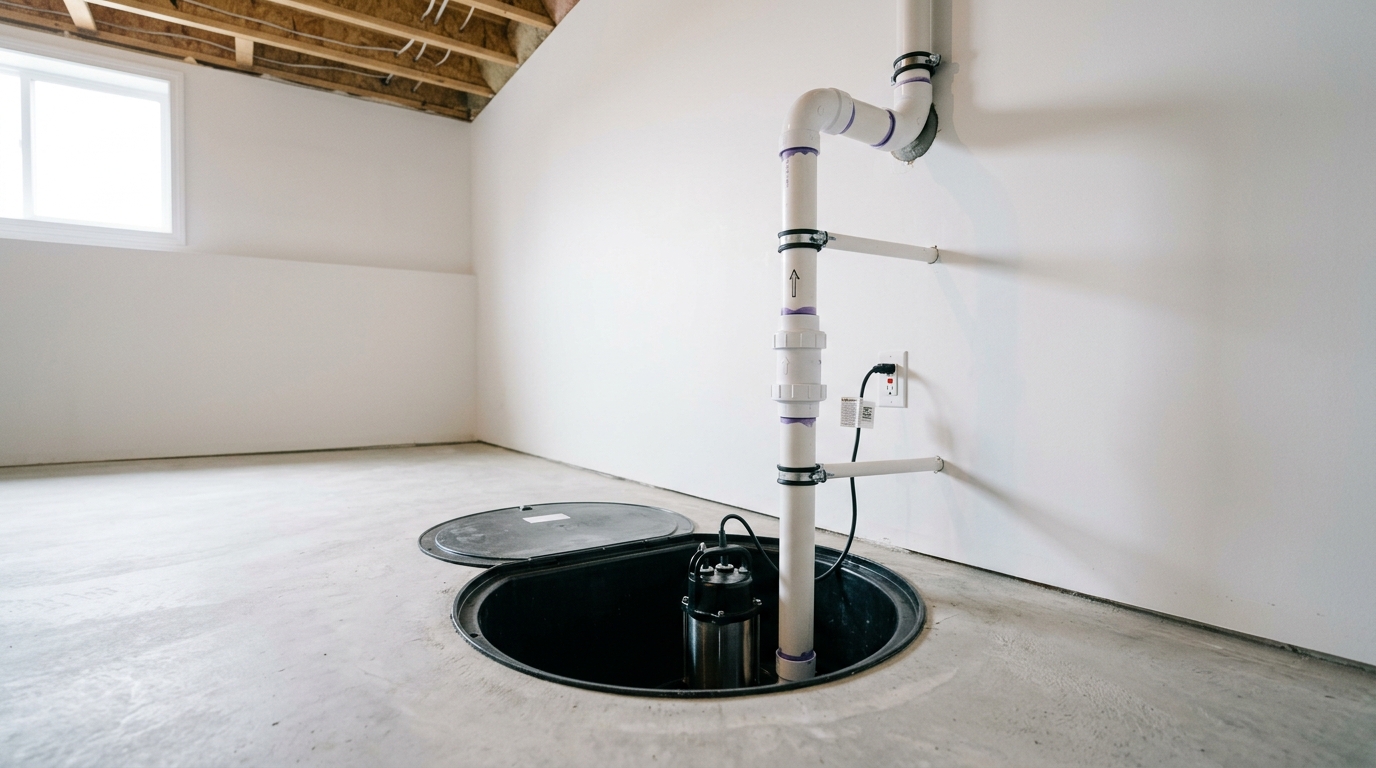
As winter transitions into spring across East Tennessee, the region frequently experiences intense storm fronts, heavy rainfall, and rising water tables. For homeowners, this sudden influx of moisture puts immense pressure on residential drainage systems and foundation plumbing. What seasonal maintenance should homeowners in East Tennessee do before spring heavy rains cause basement flooding or drain backups?
To protect your home from water intrusion and sewer backups during the wet spring months, homeowners should perform targeted seasonal maintenance on critical drainage points, pumps, and waste lines.
1. Inspect and Test Your Sump Pump
Your sump pump serves as the primary defense against rising groundwater in basements and crawlspaces. Before the heavy rains begin, ensure the unit operates smoothly by following these steps:
- Perform a bucket test: Pour five gallons of water into the sump pit to confirm that the float switch rises freely and activates the pump.
- Verify the discharge line: Walk outside to ensure the exterior discharge pipe is completely clear of leaves, soil, or debris, and directs water away from your foundation.
- Inspect the power supply: Verify that the pump is plugged into a functional GFCI outlet and check that the backup battery system is charged in case of storm-related power outages.
2. Clear Exterior Drains and Gutters
East Tennessee's hilly terrain and dense clay soil can cause surface runoff to pool rapidly around home foundations. Ensuring proper grading and flow prevents standing water from seeping into foundation walls or overwhelming subterranean drains.
- Clear all roof gutters and ensure downspouts extend several feet away from the exterior walls.
- Inspect channel drains, french drains, and driveway grates, removing any accumulated sediment, twigs, or leaves.
3. Check Main Sewer Cleanouts and Indoor Drains
Spring storms can oversaturate the ground, which often exposes existing vulnerabilities in your underground pipes. If your main sewer line already has partial blockages from grease, soap scum, or tree root intrusion, heavy rainfall can push the system over capacity and cause drains to back up inside the home.
- Locate your main sewer cleanout outside and ensure the cap is tightly secured to prevent surface runoff from entering the line.
- Check floor drains in basements, laundry rooms, and utility closets to verify they are draining freely and that their traps have water to block sewer gases.
- Address slow-draining sinks or showers promptly before spring storms increase strain on your overall plumbing system.
4. Inspect Backwater Prevention Devices
If your home is equipped with a sewer backwater valve, remove the access cover to confirm that the internal flapper moves easily and is free of debris. This mechanical barrier prevents municipal sewer lines or overloaded septic systems from pushing wastewater backward into your home during extreme downpours.
How The Drain Man Can Help
Managing seasonal plumbing checks can feel overwhelming, especially when preparing for unpredictable seasonal weather. The Drain Man can help homeowners answer these maintenance questions by providing thorough drainage evaluations, professional sewer inspections, sump pump testing, and preventative drain cleaning to keep your property protected all season long.
Contact The Drain Man today to schedule your spring plumbing maintenance and safeguard your home before the heavy rains arrive.