
General Plumbing Repair
Broken Toilet in Your Jefferson City Rental? Who Pays for the Repair
A guide for Jefferson City renters on plumbing repairs, local tenant rules, and getting your bathroom back in working order.
September 8, 2026
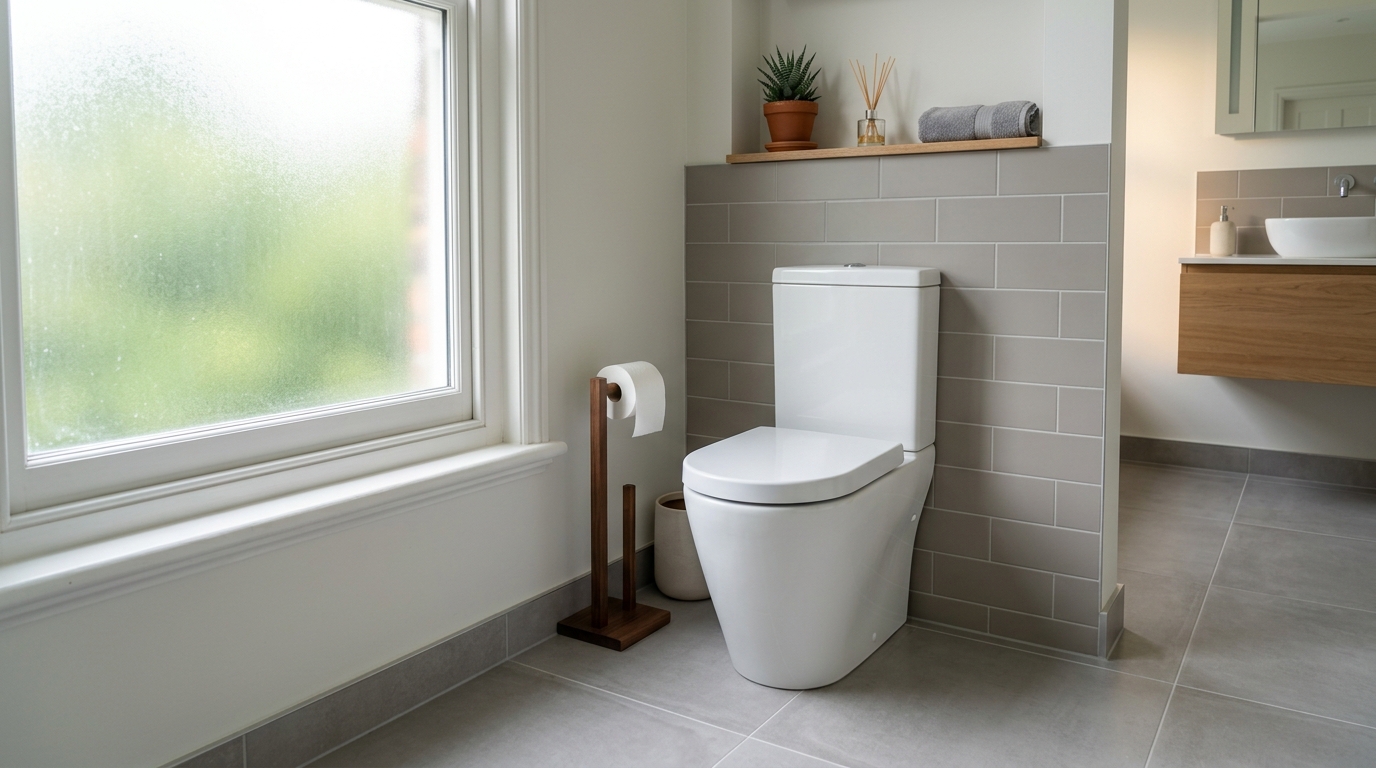
If my toilet breaks in my rental, do I have to pay to fix it? In most cases, no, you do not have to pay out of your own pocket if the breakdown happened because of old parts, normal wear and tear, or general plumbing problems. Your landlord is usually responsible for keeping essential plumbing in working order. However, if the toilet broke because someone flushed something improper—like baby wipes, hygiene products, or paper towels—the landlord may ask you to cover the repair cost.
How Rental Plumbing Rules Work in Jefferson County
Many renters assume that Tennessee has a single statewide rental law covering every city the same way. In reality, state laws depend largely on where you live. In Tennessee, the Uniform Residential Landlord and Tenant Act (URLTA) applies only to counties with populations over 75,000. Because Jefferson City sits in Jefferson County—which has a population under 75,000—the URLTA does not govern rentals here.
Instead, landlord and tenant relationships in Jefferson City are guided by general Tennessee common law and the specific language written in your lease agreement. Because common law gives substantial weight to the contract itself, your lease is the single most important document determining who handles specific home maintenance tasks.
Landlord Responsibilities Under Tennessee Common Law
Even without URLTA coverage, Tennessee common law recognizes basic habitability standards. A landlord is generally expected to provide a safe, sanitary, and livable home. A working toilet and functional drainage system are essential parts of basic sanitation.
Under these general principles, landlords are typically expected to maintain and repair:
- Main sewer line clogs caused by tree roots or aging pipe infrastructure
- Worn-out internal toilet components, such as aged fill valves, flappers, or cracked tanks
- Leaks originating from supply lines, wax rings, or subfloor connections that decay naturally over time
- Failed water heaters or primary supply line issues that cut off water to the bathroom
Your Obligations as a Renter
As a tenant, your primary duty regarding plumbing is exercising reasonable care and reporting issues right away. Minor issues can quickly turn into major property damage if left unattended, which can complicate questions of responsibility.
- Report problems immediately: If your toilet runs constantly, wobbles, drains slowly, or leaks onto the floor, notify your landlord or property management company as soon as you notice. Prompt notification protects the home and demonstrates that you acted responsibly.
- Put requests in writing: While a quick phone call or text message is helpful for fast communication, follow up with an email or written maintenance request so there is a clear timestamped record of the issue.
- Mind what goes down the drain: Toilets are designed solely for human waste and toilet paper. Foreign objects, grease, flushable wipes, and excess paper can cause localized blockages. If a plumber clears a line and discovers non-flushable items as the root cause, the invoice is often billed back to the tenant.
What to Do if Your Landlord Is Not Responding
A non-functioning toilet is an urgent household concern, especially in a home with only one bathroom. If you have submitted a repair request and your landlord has not responded or taken action within a reasonable timeframe, consider taking the following steps:
- Follow up through formal channels: Send a polite, dated written follow-up outlining the urgency of the repair and referring back to your initial notice.
- Document the situation: Take clear photographs or short videos showing the leak, standing water, or overflow condition to establish the severity of the problem.
- Review your lease terms: Check if your agreement outlines an emergency maintenance procedure or specifies third-party vendor authorizations.
- Seek legal guidance: Because rules can vary substantially based on individual lease wording in smaller counties, you should review your specific lease contract closely. If you need outside advice or dispute assistance beyond general information, reach out to Legal Aid of East Tennessee or consult a licensed attorney.
Working Together to Solve Plumbing Issues
Plumbing breakdowns can create stress for both tenants and property owners, but prompt communication and quality repair work keep homes safe and functional. The Drain Man works closely with renters, landlords, and property managers throughout Jefferson City and the surrounding communities to troubleshoot, clear, and repair residential fixtures accurately.
Whether you need an honest evaluation of a persistent toilet problem or your landlord has authorized you to bring in a professional technician, our team is ready to help restore comfort and reliability to your bathroom.